
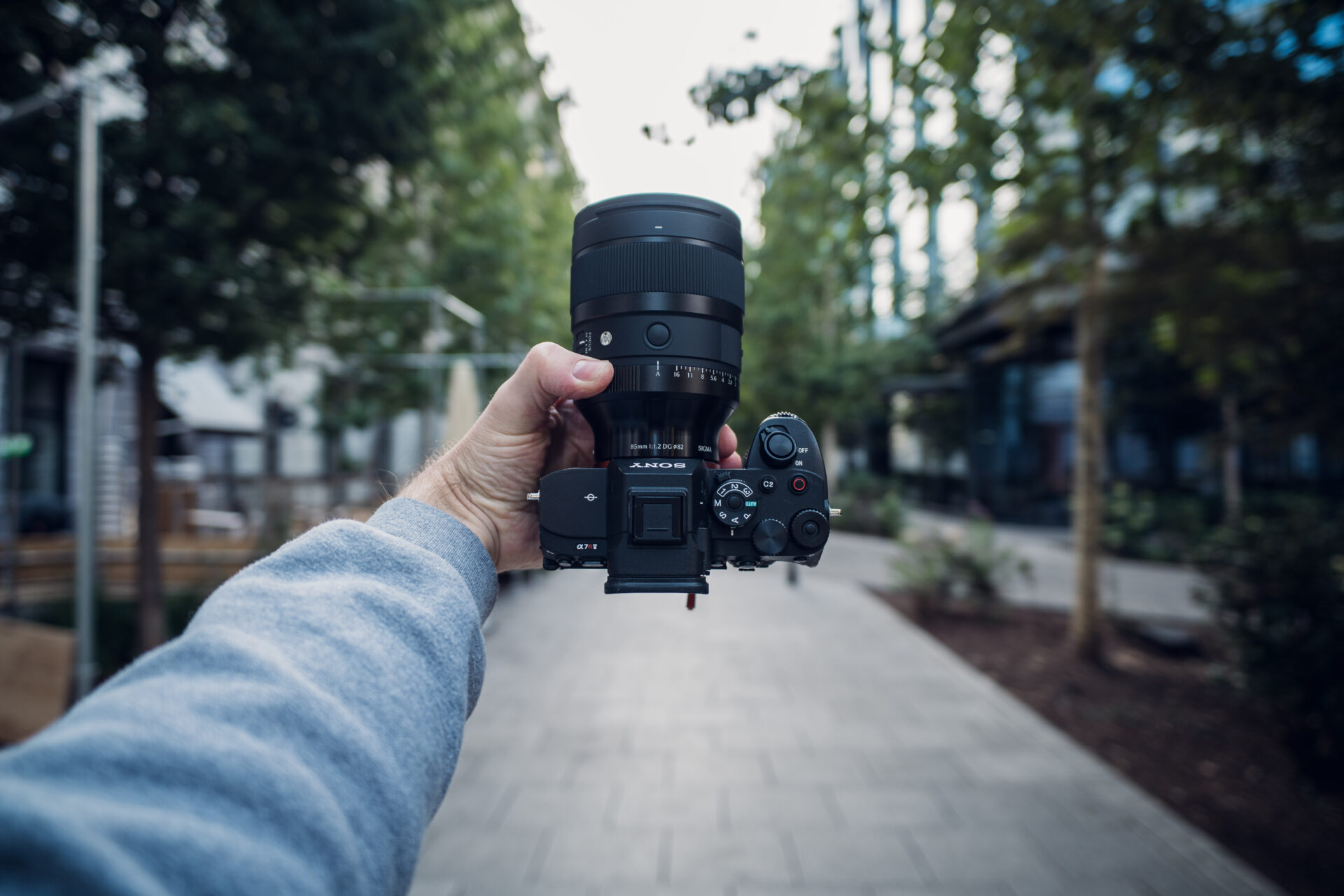
In September, Sigma Poland handed me something I’d been waiting on for years. An early copy of the Sigma 85mm F1.2 DG | Art, before it hit the shelves. I spent a week with it on my Sony A7RV, walking Warsaw the way I always do.
There’s a bigger story here than one new lens. With the Sigma 85mm F1.2 lens, Sigma’s F1.2 Art series is complete. The 35mm F1.2 DG II and the 50mm F1.2 DG DN now have their long-lens partner, which means a full F1.2 setup from one maker, at wide, standard, and short-telephoto focal lengths.
So in this post I’m not just looking at the 85 on its own. I’m looking at where it fits, and whether you actually need all three.
What the Sigma 85mm F1.2 actually is
Let’s start with the basics. Authorized Sigma dealers in the US will carry the lens starting October 6, 2026, at a retail price of $1,599. It comes in Sony E-mount and L-mount.
Here’s what stands out on paper:
- Weight: 905g. Sigma lists 905g for both the L-mount and Sony E-mount versions and calls it the smallest and lightest full-frame mirrorless AF 85mm F1.2 as of September 2026. For context, Canon’s RF 85mm F1.2L weighs 1,195g.
- Optics: 17 elements in 12 groups, a 13-blade rounded diaphragm, and an 82mm filter thread.
- Close focus: 84cm, with a maximum magnification of 1:8.9.
- Autofocus: Dual HLA linear motors, built for fast, quiet tracking in both stills and video.
- Controls: An aperture ring with a lock switch and a click on/off switch, plus two assignable AFL buttons.
- Weather protection: Dust- and splash-resistant construction, with a water- and oil-repellent coating on the front element.
If you’re newer to this, F1.2 is a very wide aperture. It lets in a lot of light and gives you a razor-thin slice of focus. At 85mm, that means heavy background blur and strong separation between your subject and everything behind them.

The trinity, side by side with Sigma 85mm F1.2
This is the part most coverage skips. If you’re considering the 85, there’s a good chance you already own, or are eyeing, one of the other two.
| 35mm F1.2 DG II | 50mm F1.2 DG DN | 85mm F1.2 DG | |
|---|---|---|---|
| Weight (Sony E) | about 750g | about 740g | 905g |
| Filter thread | 72mm | 72mm | 82mm |
| Launch price (US) | $1,549 | $1,549 | $1,599 |
Sigma’s figures put the 35mm F1.2 DG II at 755g and $1,549 at launch, while the 50mm F1.2 sits around 740g on E-mount, both with 72mm filter threads. Two practical notes:
- The 85 is the odd one out on filters. The 35 and 50 share 72mm threads, so one set of ND or diffusion filters covers both. The 85 needs 82mm. If you shoot video with variable NDs, budget for that, or use step-up rings.
- The full set adds up. All three lenses come to roughly $4,697 and about 2.4kg of glass. That’s a serious investment, so it’s worth being clear on what each focal length does for you.
On the street, here’s how I think about them:
35mm is the storyteller. You’re close. You include context. The city is part of the frame.
50mm is the honest middle ground. It’s close to what your eye sees, and it’s flexible. I compared Sigma’s 50mm F1.2 against Sony’s version in my 50mm F1.2 lens comparison.
85mm is the isolator. You step back, compress the scene, and pull one person or detail out of the noise.

How it handled in Warsaw
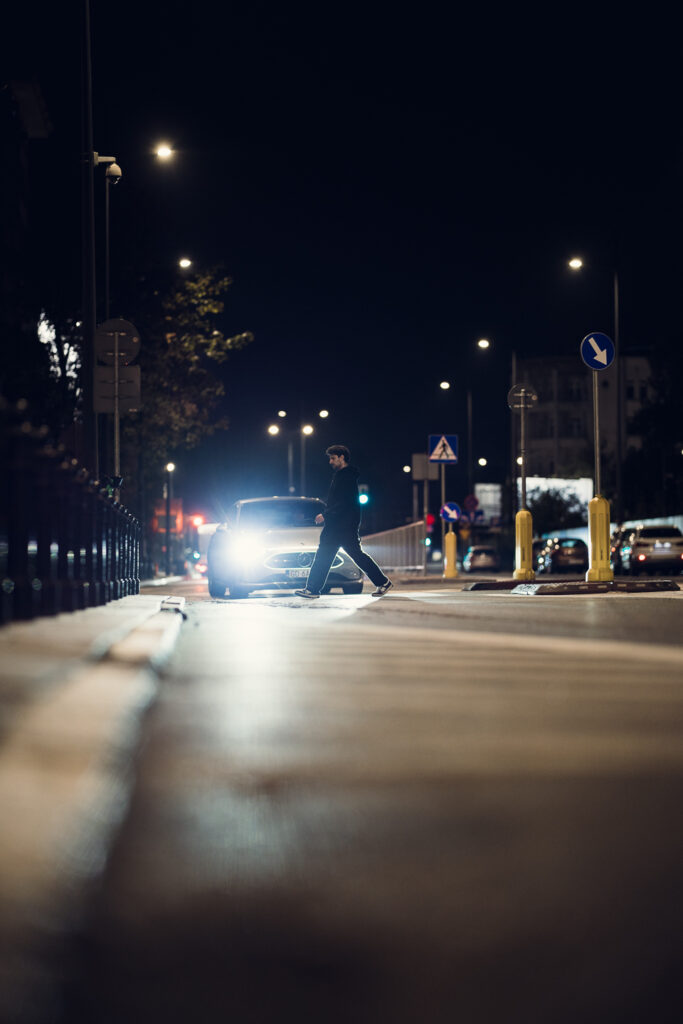
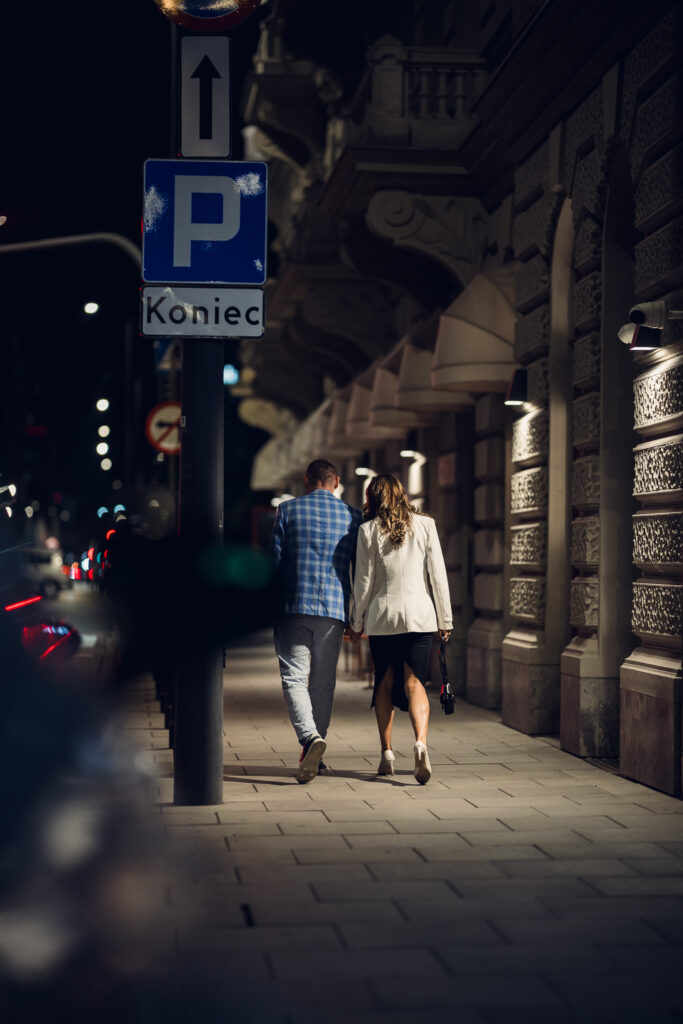
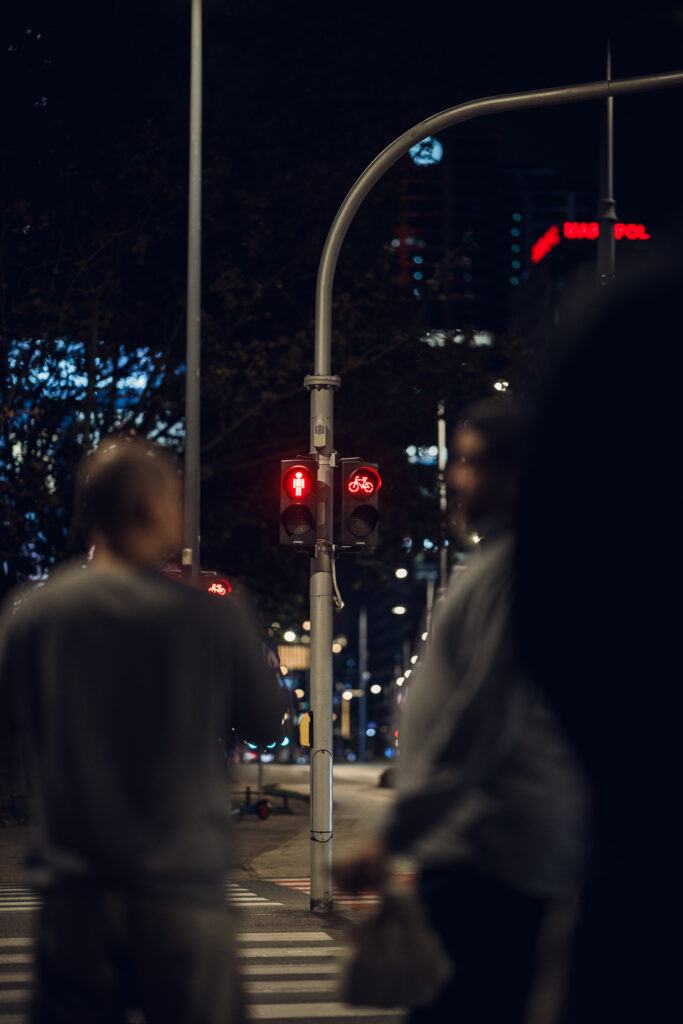
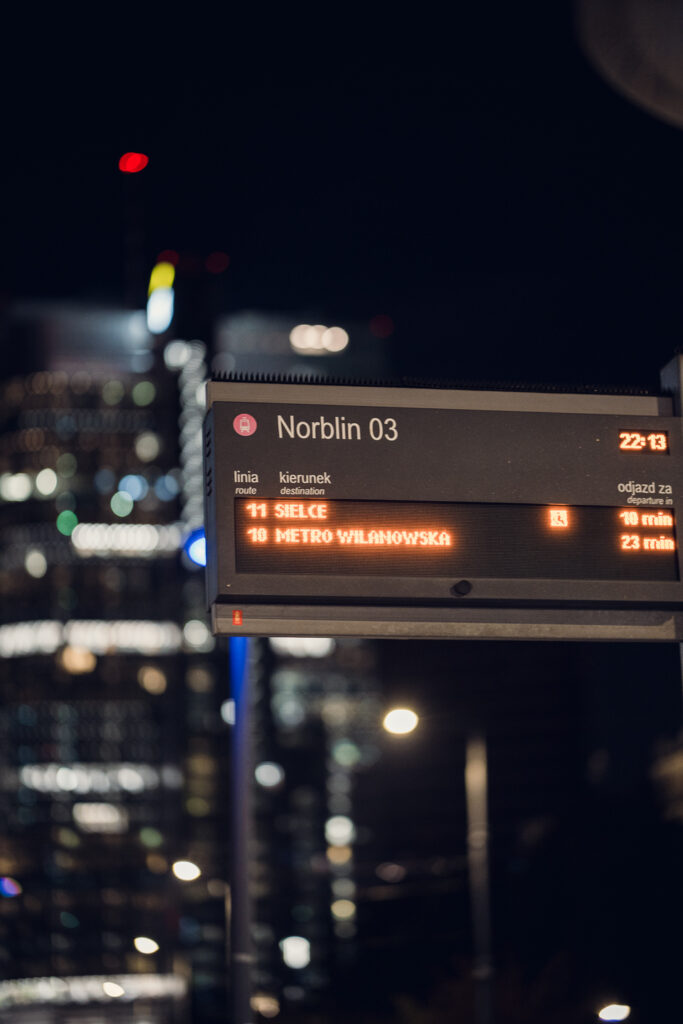
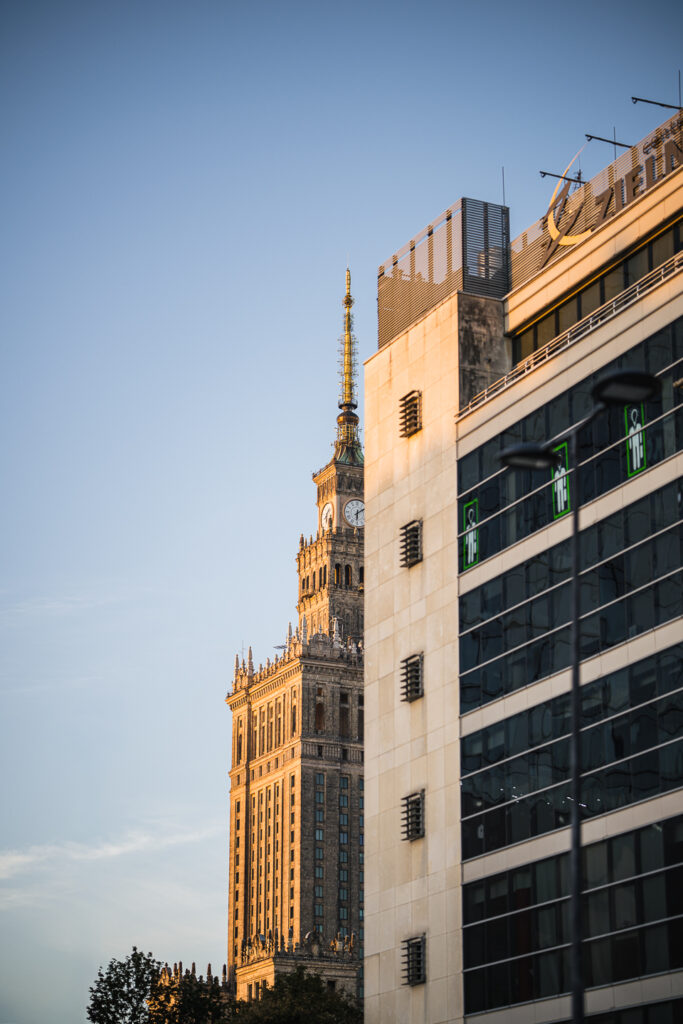
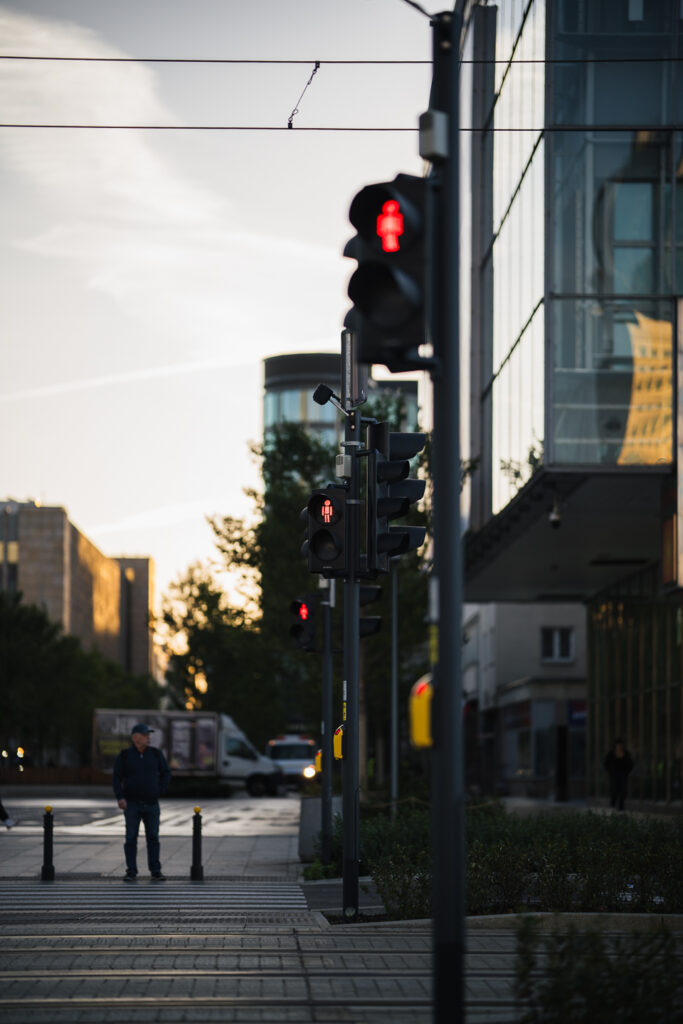
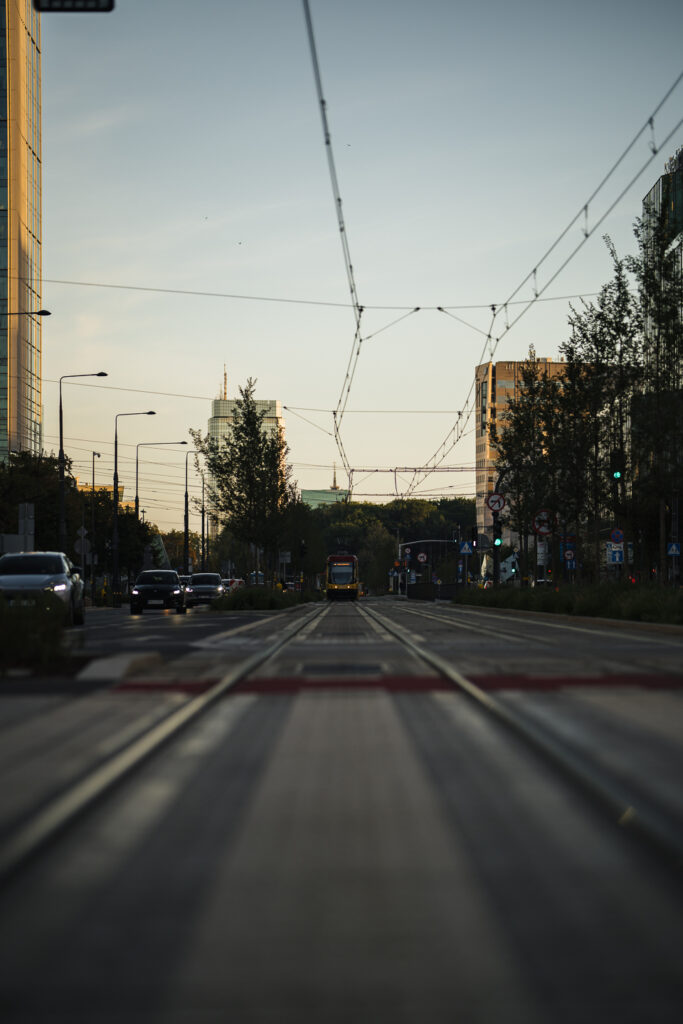
I’ll be straight with you. I didn’t shoot portraits with this lens. I shot the city. Busy streets, architecture, strangers passing through light, the same kind of work you see in my POV videos.
The short version is that everything worked the way it should. Autofocus on the A7RV locked on reliably, and I didn’t run into any quirks or compatibility issues during the week. For an early copy, that’s exactly what you want to hear.
What the 85mm F1.2 gives you on the street is compression and separation. At F1.2, the background melts away, and busy Warsaw scenes turn into clean, layered frames with one clear subject. It changes how you see a street. You stop shooting scenes and start shooting moments within them.
Reviewers who did shoot portraits back this up. PetaPixel describes the bokeh as stunning and notes this is currently the only autofocus option at this spec for Sony E or L-mount. Digital Camera World also points out that focus breathing is kept minimal, so the lens works well for video, not just stills.
If portraits are your main reason for buying, my city work tells me the separation and autofocus are there. But I’d still check dedicated portrait samples before you commit. If you want an even tighter look, my take on the Sigma 135mm F1.4 Art is worth a read.

The honest trade-offs
No lens is perfect. Here’s what to weigh.
It’s lighter for its class, but not light. 905g is impressive for an 85mm F1.2, but you’ll feel it after a long walk. Sigma’s own 85mm F1.4 DG DN Art weighs around 630g. I’ve used that lens for chilled POV street photography, and it’s a pleasure to carry.
The F1.4 costs less. Digital Camera World lists the 85mm F1.4 DG DN Art at $1,255 and Sony’s FE 85mm F1.4 GM II at $1,950. So the F1.2 costs about $344 more than Sigma’s F1.4 and is cheaper than Sony’s GM II. You’re paying for a third of a stop and the rendering that comes with it.
Close focus is limited. At 84cm minimum, this isn’t a lens for tight detail shots.
The focus ring is electronic. The ring is focus-by-wire rather than mechanically coupled. That’s normal for modern autofocus lenses, but manual focus purists should know.

Do you need all three?
Honestly, most people don’t. Here’s how I’d think about it.
Get only the 85mm if subject isolation is your thing. Portraits, events, or street work where you want one person cleanly separated from the crowd.
Get the 35mm and 85mm if you want two lenses that cover almost everything. The 35 tells the story. The 85 picks out the detail. They’re different enough that you’ll never wonder which to grab. If F1.2 is more than you need at the wide end, my Sigma 35mm F1.4 DG II Art review covers the lighter, cheaper alternative.
Get all three if you’re a working hybrid shooter who needs a consistent F1.2 look across a whole job, like weddings, music videos, or commercial work. Matching rendering and handling across focal lengths saves time in the field and in the edit.
Wait if you’re just starting out. A 35mm or 50mm F1.8 will teach you more for a fraction of the price. F1.2 is a tool you grow into, not a shortcut.

Sigma 85mm F1.2 final words
The Sigma 85mm F1.2 does what Sigma promised. A fast, well-built 85mm that doesn’t feel like carrying a brick, at a price well below the Canon alternative. It completes a trinity that, for the first time, gives Sony and L-mount shooters a full F1.2 lineup from one maker.
Is it for everyone? No. The 85mm F1.4 Art is still a smart buy if weight and budget matter more than that last third of a stop. But if you want the most separation you can get at 85mm on Sony, this is the lens.
As far as I’m concerned, the holy trinity is complete.
Buy: https://link.amazon/B00ojRPrZ
All photos were edited with my Lightroom Presets.


