

When Sigma announced the 20-200mm F3.5-6.3 DG Contemporary as the world's first 10x full-frame zoom starting at a wide 20mm, I was skeptical.
Street photography has always been prime lens territory for me – fast, sharp, and purpose-built. But the idea of capturing everything from sweeping urban landscapes to intimate candid moments without swapping glass? That got my attention. This is the reason number one why I wanted to test that Sigma 20-200mm F3.5-6.3 lens in the first place.
I spent a couple of days putting this compact superzoom through its paces on the streets, and I'm ready to share what worked, what didn't, and whether this unconventional lens has a place in a street photographer's kit.
Why I Decided to Test Zoom for Street Photography
Let me be upfront: I'm a 35-85mm shooter at heart. Like many street photographers, I've always valued the discipline that comes with a prime lens. It forces you to move, to think, to truly see your frame before you even raise the camera.
But I've also missed shots because I couldn't get wide enough or close enough to my subject.
The Sigma 20-200mm promised to solve that problem. Starting at 20mm, significantly wider than the typical 24mm or 28mm found on other superzooms, this lens covers an enormous range of shooting scenarios. From wide street angles to compressed telephoto perspectives, all in one lightweight package weighing just 550 grams.
Could a superzoom really work for street photography?
There was only one way to find out.
SIGMA 20-200mm F3.5-6.3 First Impressions
Right out of the box, the Sigma 20-200mm F3.5-6.3 feels well-constructed despite its Contemporary series designation. While it's not the metal build of Sigma's Art series, it feels solid and inspires confidence.
At just around 550g and 115mm long when retracted, this lens is remarkably compact for a 10x zoom. I paired it with my Sony A7IV body, and the balance felt natural for extended shooting sessions. The zoom lock switch prevents barrel creep when walking around, though a quick flick of the wrist releases it. It's a thoughtful design touch that doesn't interrupt your flow.
The 72mm filter thread is manageable, and the 'dust and splash' resistant construction gave me confidence shooting in less-than-ideal weather conditions.
No, it's not fully weather-sealed, but Sigma's protection is adequate for most street photography situations.
The 20mm Advantage for Street Photography
Let's talk about what makes this lens unique: that wide 20mm starting point.
Traditional street photography wisdom suggests shooting with focal lengths between 28mm and 50mm. Those are wide enough to capture context, tight enough to maintain intimacy with your subject. The Sigma 20-200mm flips that script by starting at 20mm, offering a 94.5-degree viewing angle that changes how you approach street scenes.
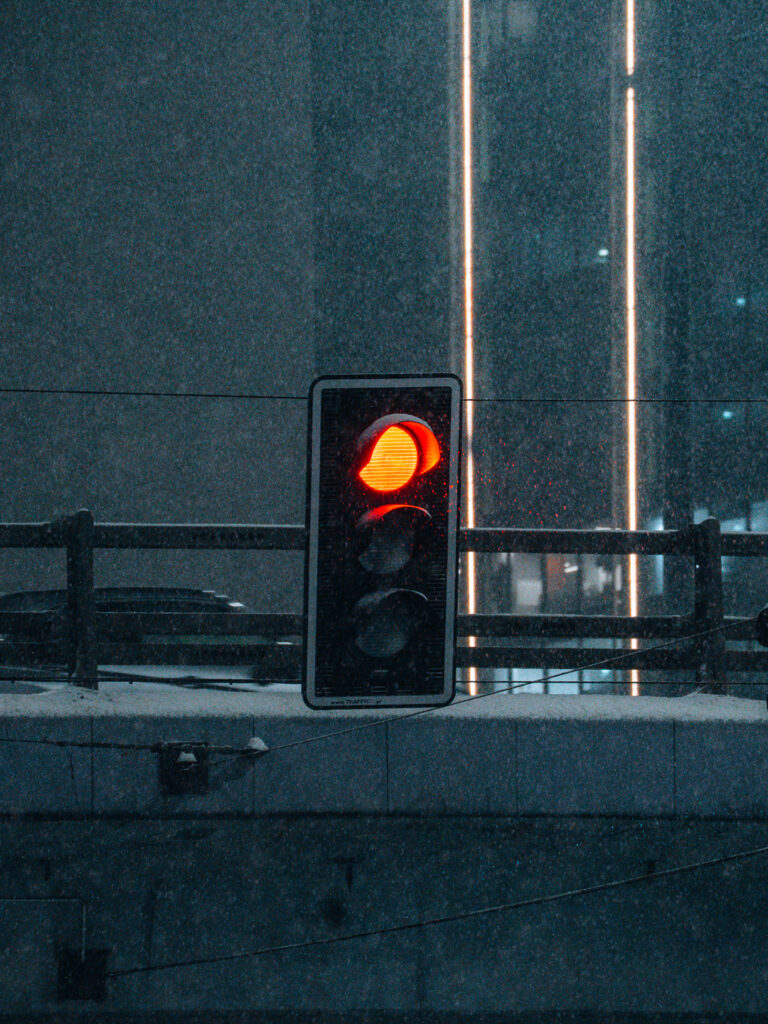
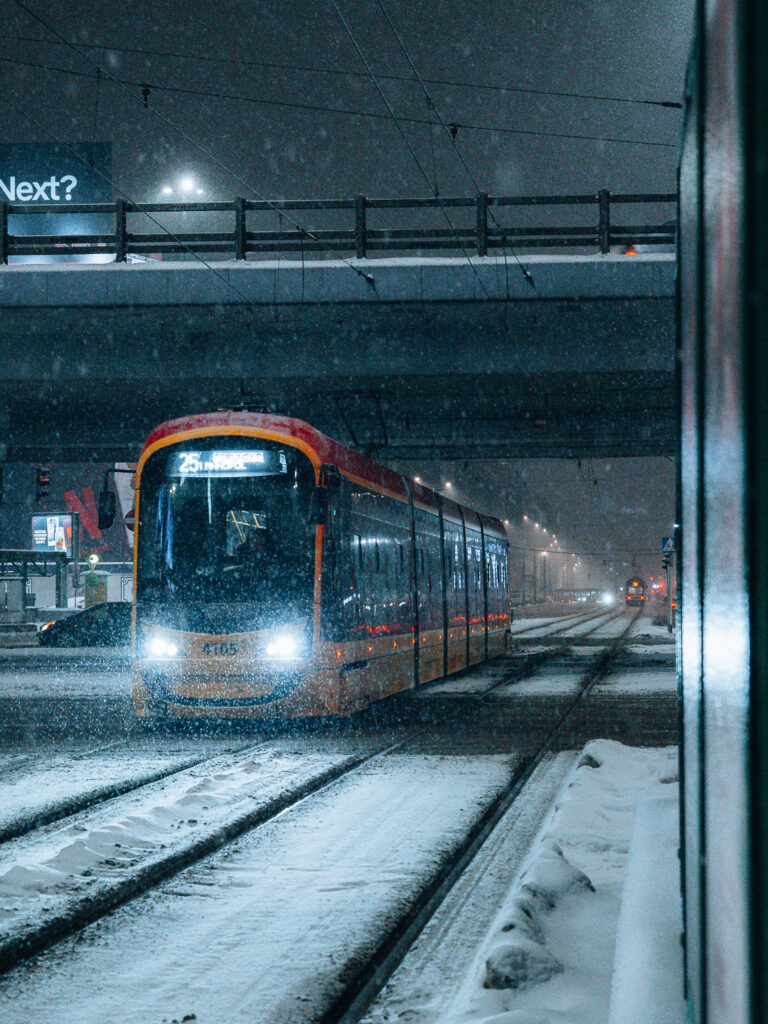
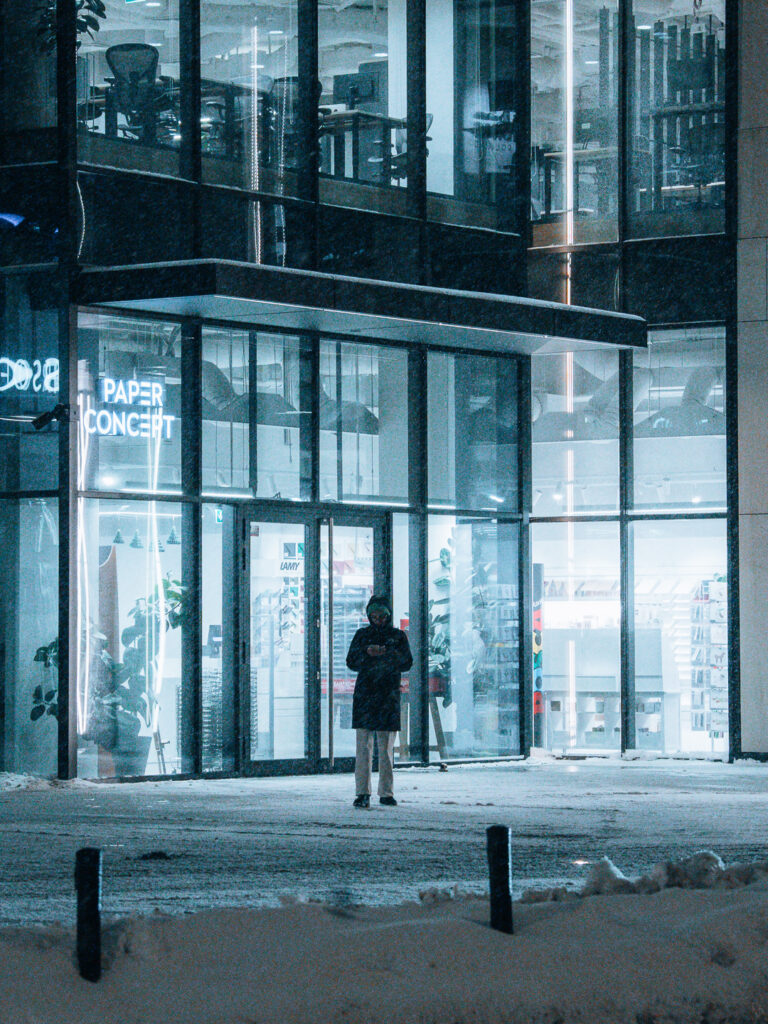
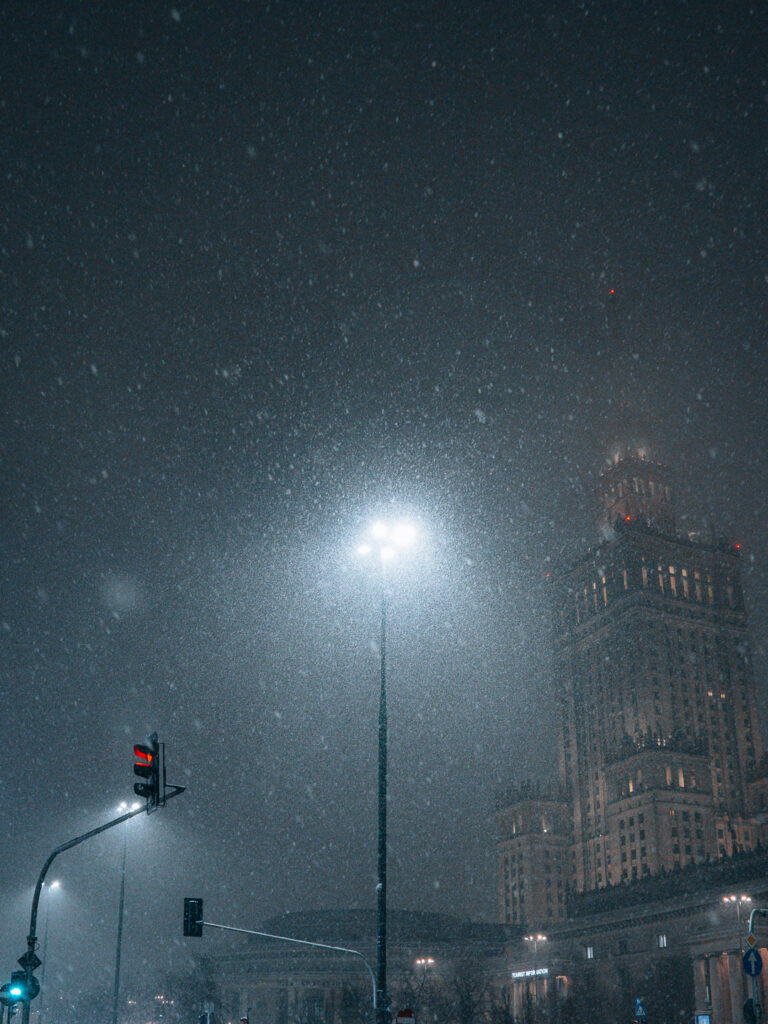
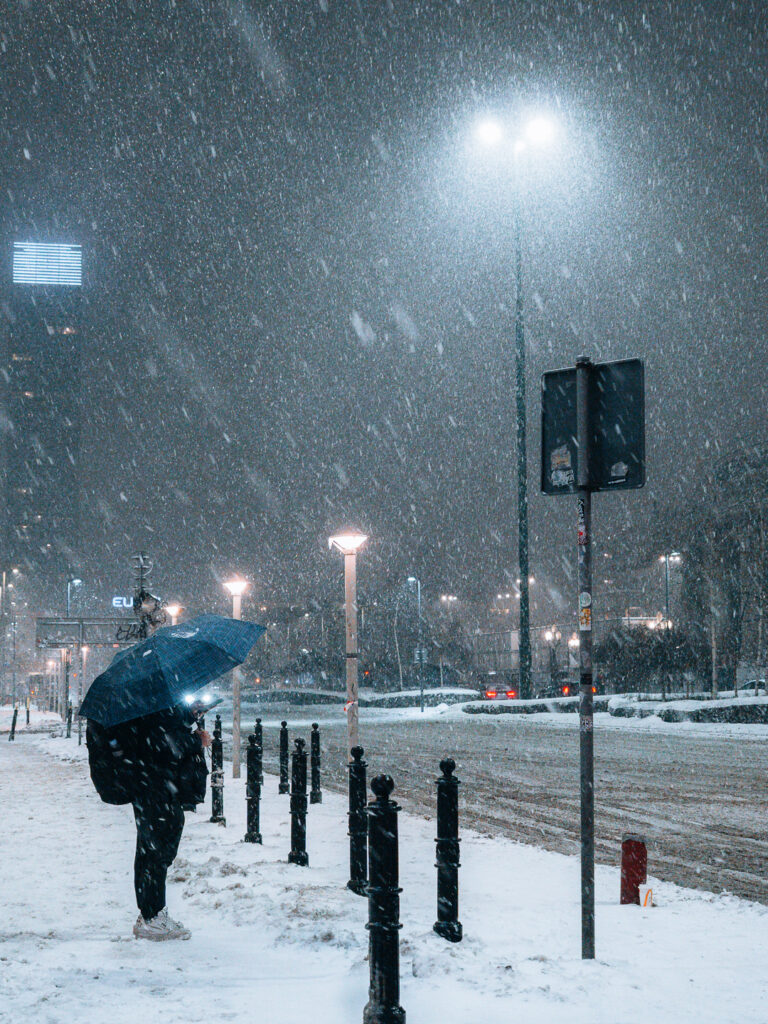
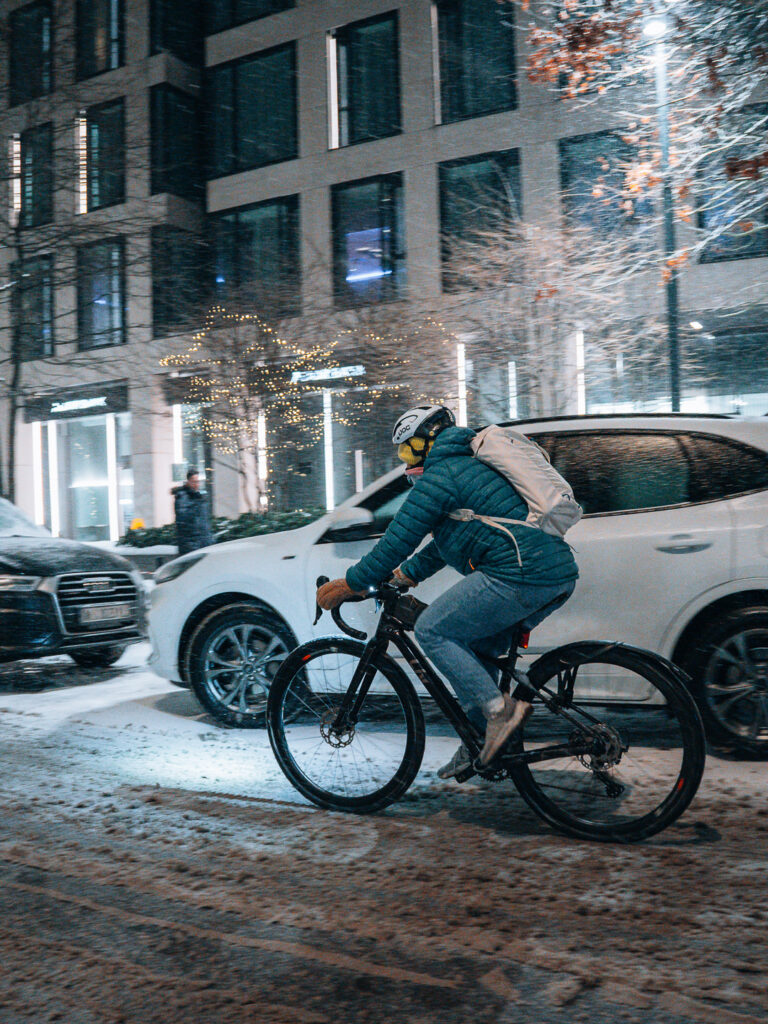
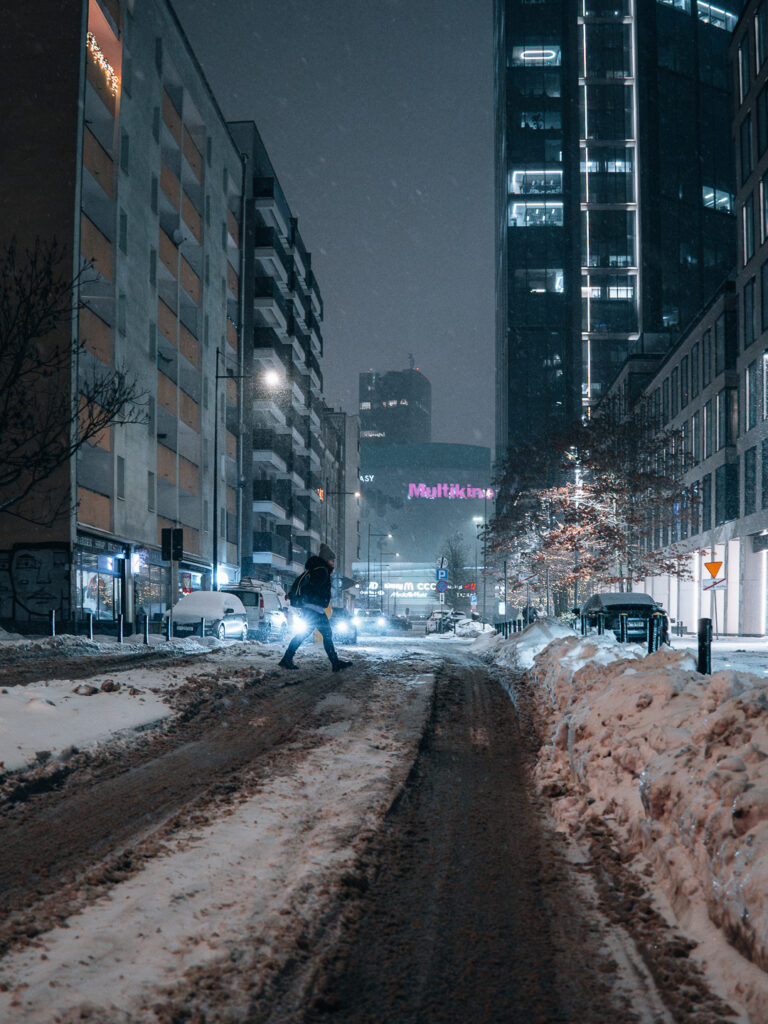
At 20mm, I could capture entire city blocks, architectural context, and environmental storytelling that would be impossible with narrower lenses. This proved invaluable when documenting busy streets during snowfall.
The wide-angle perspective forced me to get closer, to literally step into the scene rather than observing from a distance. However, I loved shooting at 200mm, too.
For timid street photographers, this might feel intimidating. But for those willing to embrace proximity, 20mm creates images with incredible depth and immersion.
One unexpected benefit: at 20mm, the lens is less conspicuous than it appears. People don't realize they're in frame, making candid captures easier than with a narrower lens pointed directly at them.
Zoom Range Versatility in Practice
Here's where the Sigma 20-200mm truly distinguishes itself from prime lenses: the ability to shift perspectives without changing glass.
I found myself gravitating toward three focal length zones:
- 20-35mm for wider context. This range excelled at capturing street scenes with multiple layers, like foreground, subject, and background. All working together to tell a story. The 20mm end was perfect for architectural elements covered in snow, while the 28-35mm felt more natural for general street photography.
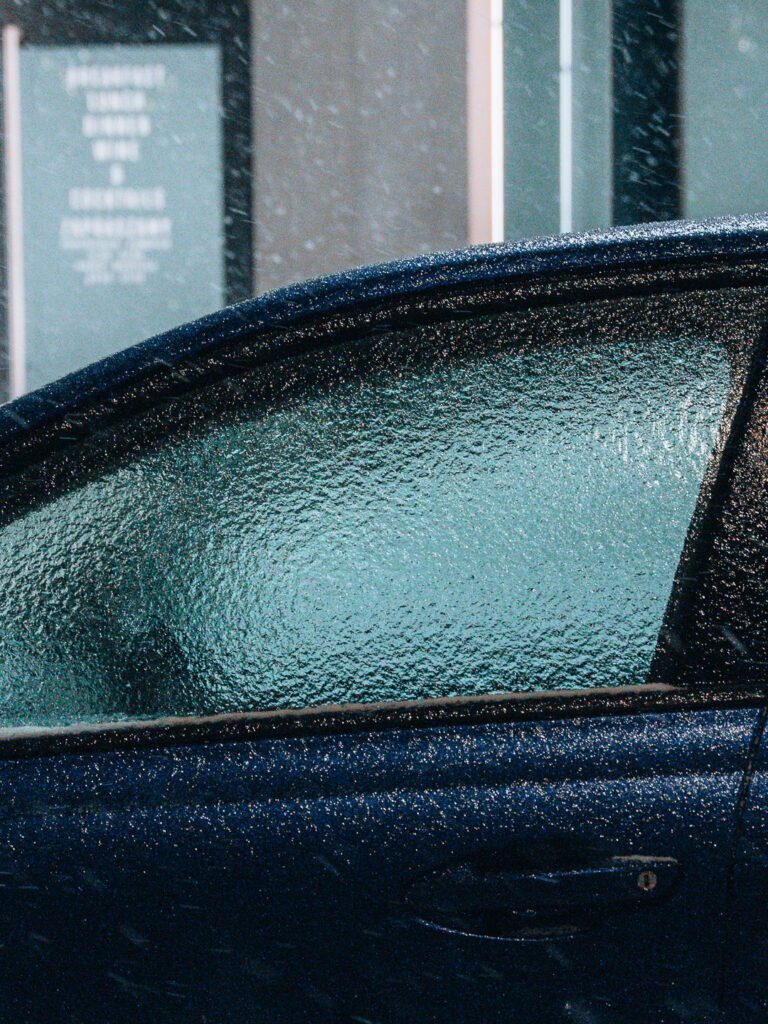
- 50-85mm for isolating subjects. When I wanted to focus on a single person or eliminate distracting elements, zooming to the middle range provided cleaner compositions while maintaining a comfortable shooting distance. This range also offered the lens's maximum 1:2 magnification ratio, essentially giving me half-macro capabilities for detail shots.
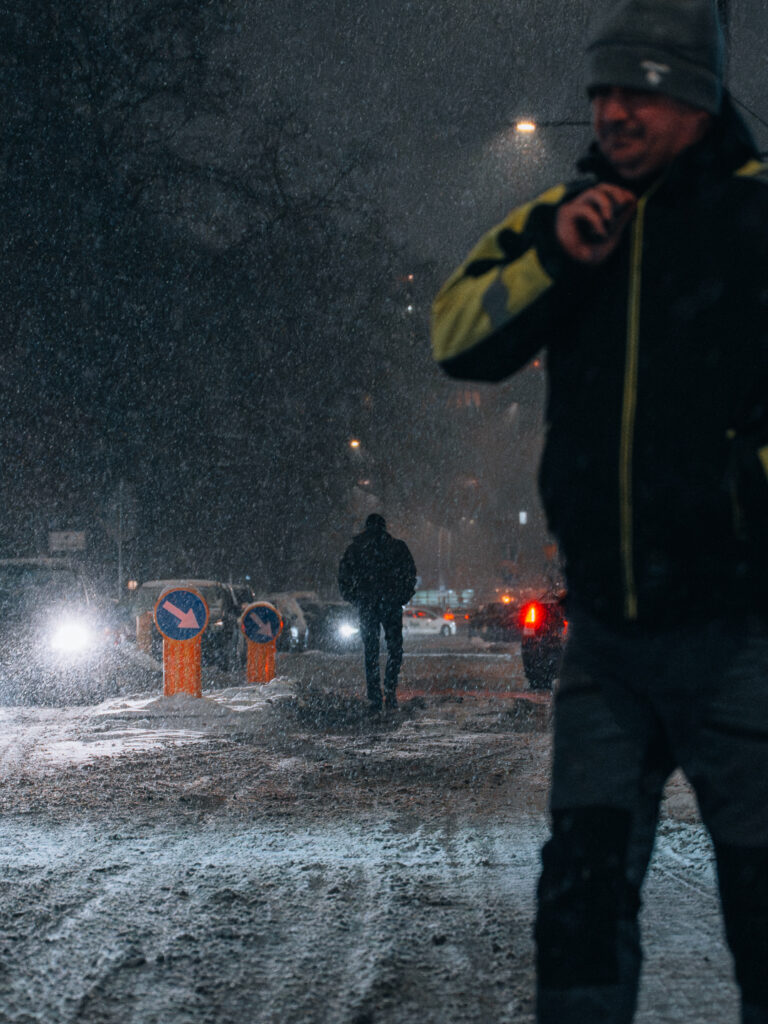
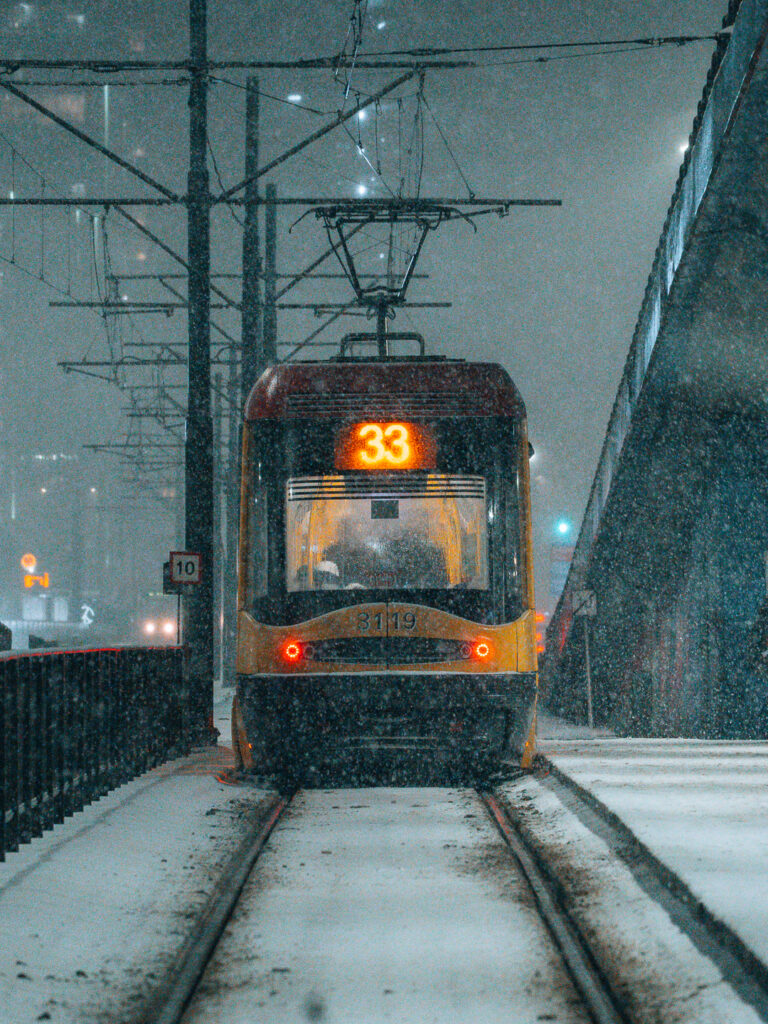
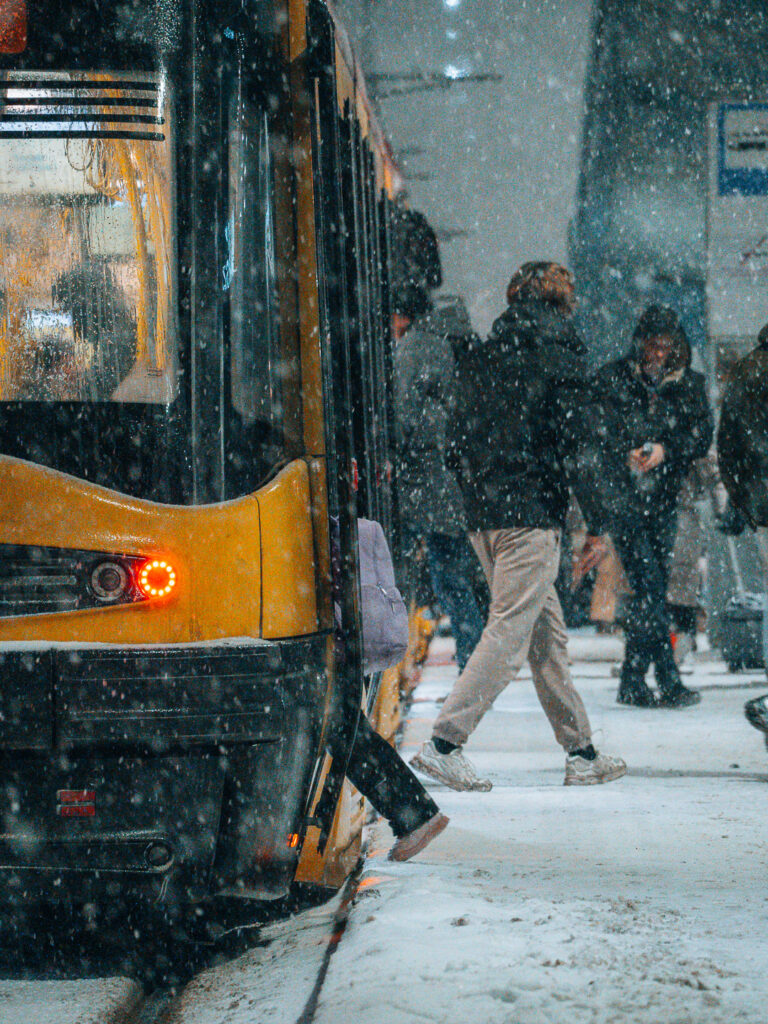
- 200mm for compression and candids. The telephoto end allowed me to capture moments from across the street, compress perspective for graphic compositions, and maintain distance when discretion was needed. At 200mm, I could isolate expressions, gestures, and small moments that would be lost at wider focal lengths.
The flexibility was genuinely liberating. Instead of missing shots because my prime was too wide or too narrow, I could adapt instantly. Street photography is about reaction speed, and this lens eliminated one major variable from the equation.
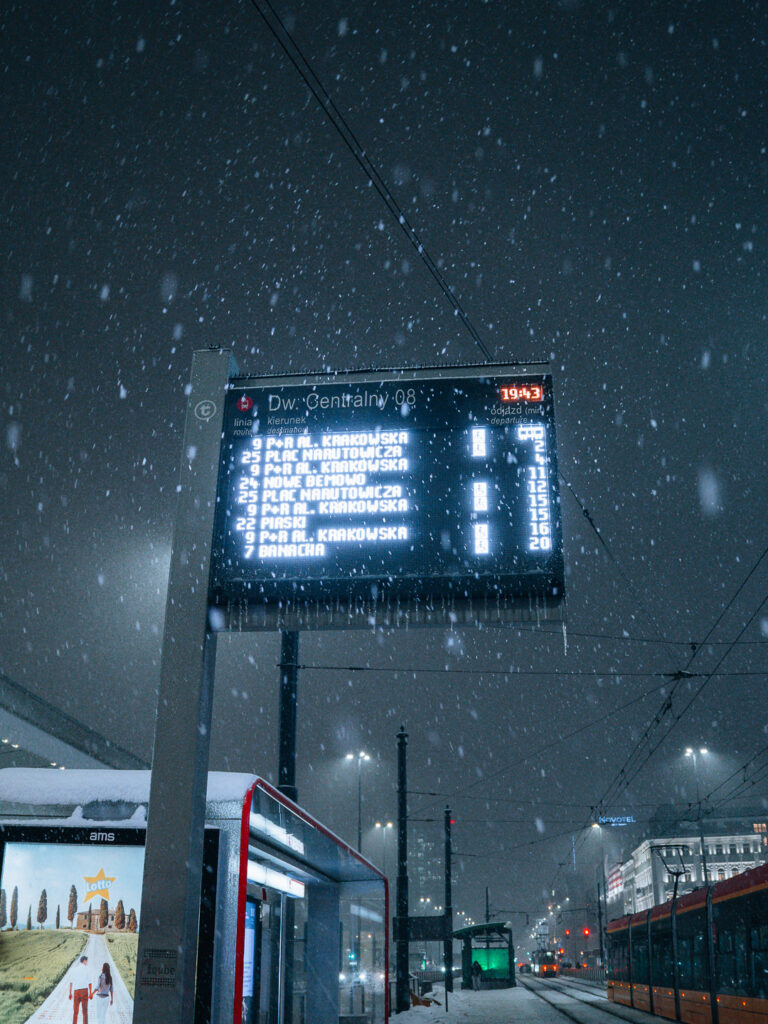
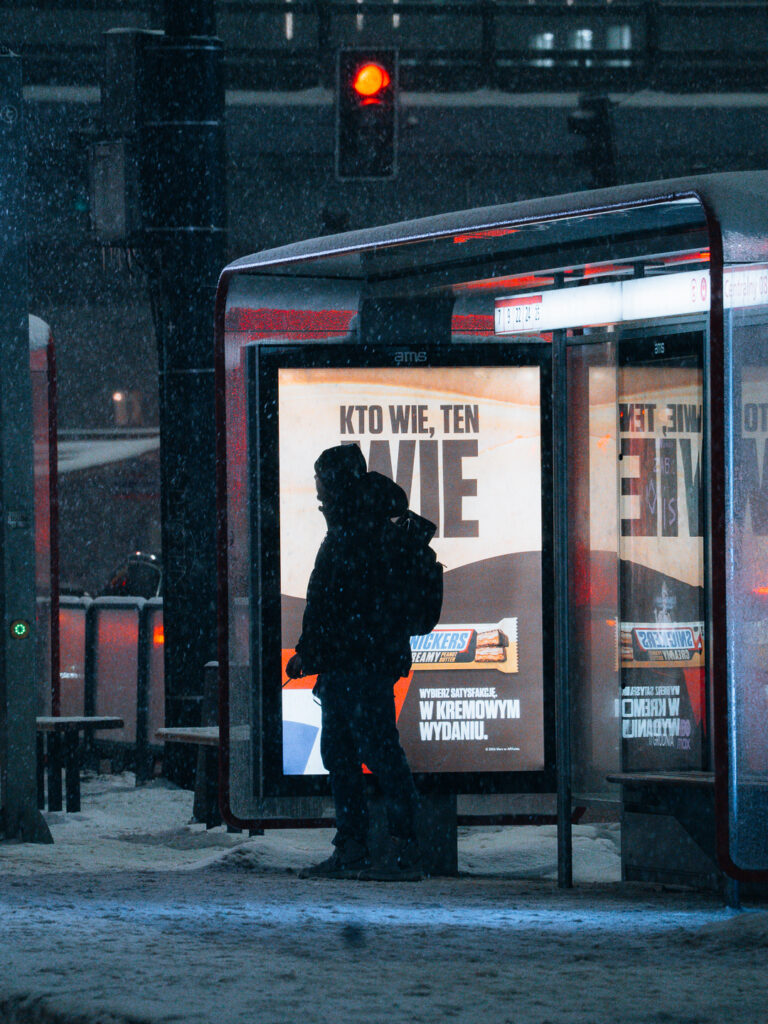
Image Quality: The Compromises You Accept
Let's address the elephant in the room: optical performance.
The Sigma 20-200mm isn't going to outperform dedicated prime lenses. That's the trade-off you accept for convenience. But the question isn't whether it's the sharpest lens available; it's whether the image quality is good enough for street photography.
And honestly? It is.
Center sharpness is excellent throughout most of the zoom range. At 20mm through 85mm wide open, the lens produces crisp detail that holds up well even on high-resolution sensors. At 200mm, there's slight softness, but nothing that ruins an image or cannot be sharpened in post-processing.
Corner sharpness is where compromises show. At 20mm, corners are moderately soft wide open, improving slightly when stopped down. By 85mm, the corner performance is very good. This wasn't a dealbreaker for me; street photography rarely relies on tack-sharp corners, but it's worth noting if you shoot architectural work where edge-to-edge sharpness matters.
Vignetting at 20mm is noticeable but correctable. Color rendering and contrast impressed me throughout the range. The lens handles flare reasonably well, though I avoided shooting directly into harsh light sources when possible.
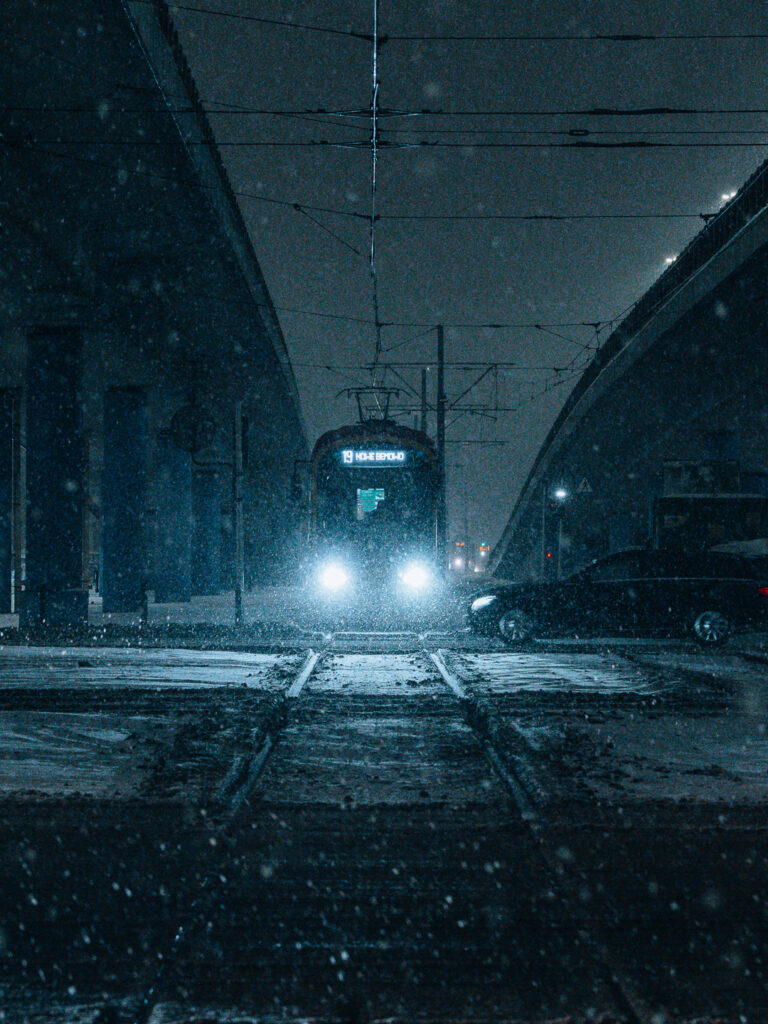
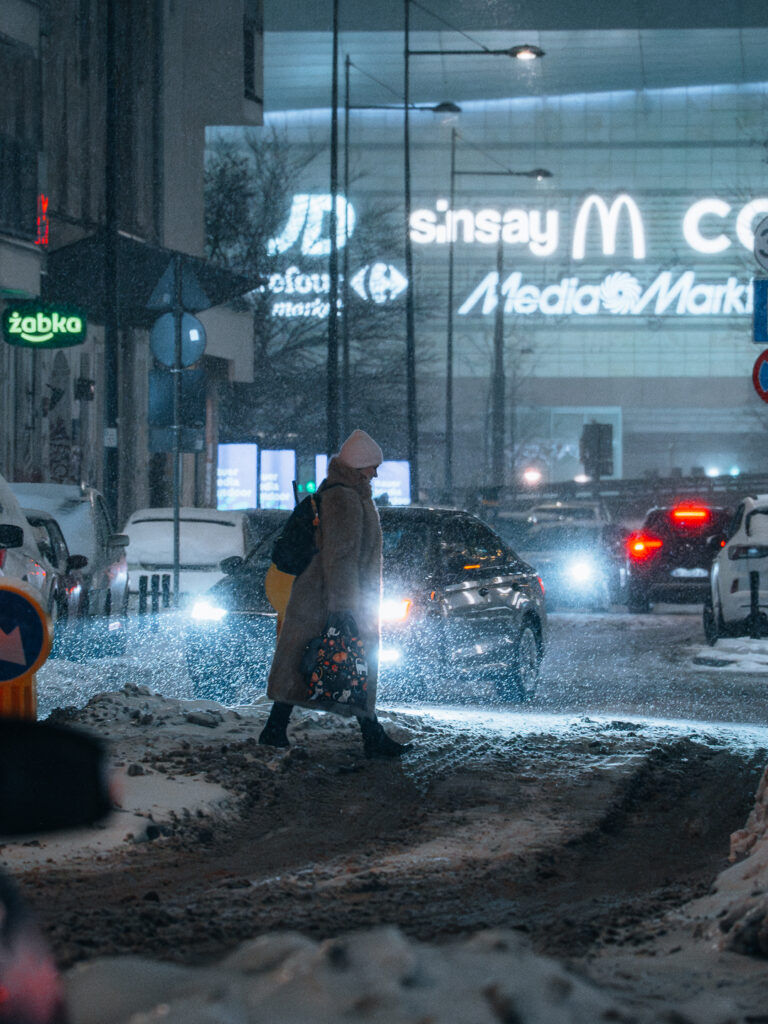
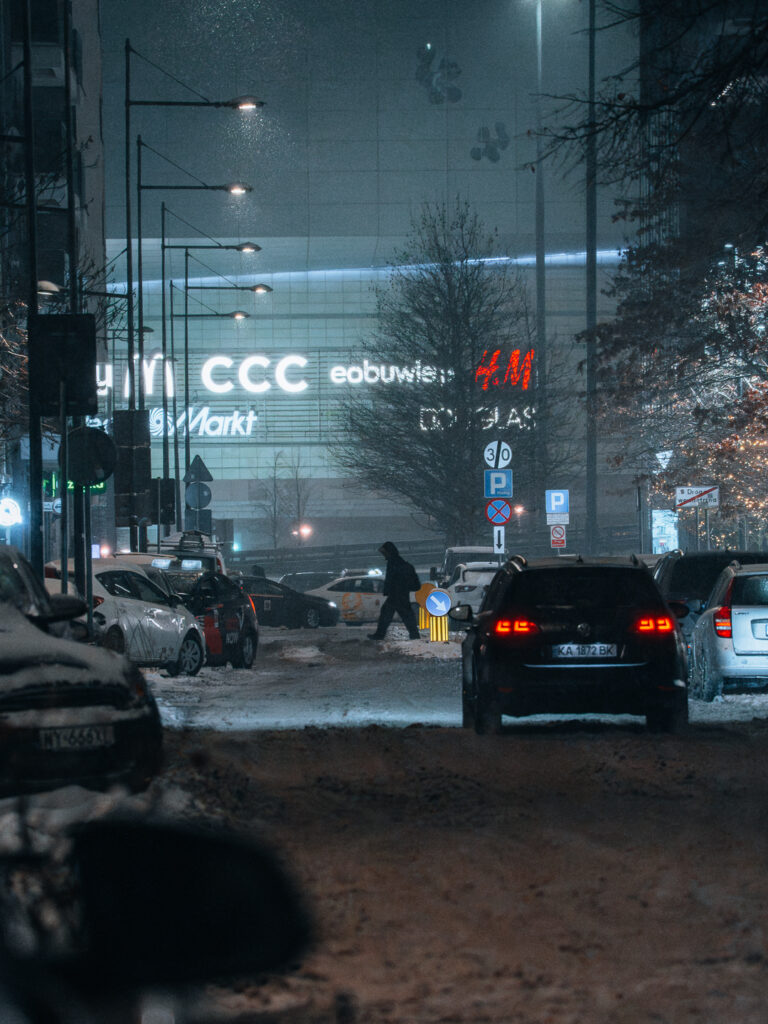
One area where the lens truly surprised me: sharpness at 200mm remains impressive even at f/6.3. I expected significant degradation at the long end, but the lens maintains clarity better than many superzooms in this category, even during hard snowfall.
Autofocus Performance on the Streets
The Sigma 20-200mm employs Sigma's High-response Linear Actuator (HLA) focusing system. According to Sigma, it's designed for quiet, precise autofocus without mechanical gears.
In practice, autofocus performance is good, not exceptional, but certainly adequate for street photography.
The lens focuses quickly and accurately in good light at all focal lengths. I rarely experienced hunting or missed focus. The focus motor is nearly silent, which is excellent for discreet shooting and video work.
At wide focal lengths (20-50mm), autofocus is snappy and responsive. You point, press, and capture. This is crucial for street photography, where moments disappear in fractions of a second.
At telephoto focal lengths (100-200mm), focus speed slows slightly when shifting between distant and close subjects. This isn't unique to this lens; it's physics. But it's noticeable compared to dedicated telephoto primes.
Low-light autofocus struggles more than my f/1.4 and f/2 primes. The narrow maximum aperture limits light reaching the sensor, causing occasional focus hunting in dim environments. This was most evident during the heaviest snow drop.
For single-point autofocus, the Sigma 20-200mm performs just right. For fast-action tracking or sports, you'd want faster glass.
Sigma 20-200mm F3.5-6.3: What Didn't Work
No lens is perfect, and honesty is important in reviews. Here's where the Sigma 20-200mm fell short for my street photography workflow.
- Lens extension at 200mm is significant. At full zoom, the lens nearly doubles in length. While compact when retracted, it becomes quite prominent when fully extended. This drew more attention than I preferred for candid street work.
- No optical image stabilization. You're relying entirely on in-body stabilization. For cameras with excellent IBIS, this isn't problematic. But if your camera has mediocre stabilization or none at all, hand-holding at 200mm becomes challenging.
- Zoom creep is possible despite the lock. When the lock is disengaged, gravity will slowly extend the barrel if you point the camera downward. This isn't a major issue, but it requires awareness.
- The learning curve with a zoom. Street photography benefits from muscle memory, knowing exactly what your 35mm or 50mm lens will capture before you raise the camera. With a zoom, that intuitive framing takes longer to develop. I found myself checking my zoom setting more often than I'd like.
- Limited bokeh quality. The 9-blade rounded diaphragm produces acceptable background blur, but specular highlights show noticeable onion-ring patterns. If beautiful bokeh is your priority, this lens won't satisfy.
Who Should Consider This Lens?
After extensive testing, I can confidently recommend the Sigma 20-200mm F3.5-6.3 DG Contemporary to specific types of photographers.
Travel and documentary photographers who need to pack light will appreciate the all-in-one versatility. Instead of carrying a 24mm, 50mm, and 85mm, you have one lens covering an even broader range.
Photographers who value flexibility over optical perfection will find this lens useful. The ability to adapt to any scene without swapping lenses means fewer missed moments.
Those shooting street photography in good light won't be hampered by the narrow aperture. If you primarily shoot during daytime hours, the f/3.5-6.3 range is perfectly fine.
Photographers exploring different perspectives will benefit from experimenting with focal lengths from ultra-wide to telephoto. This lens lets you discover your preferred shooting style without investing in multiple primes.
Budget-conscious shooters building their first street photography kit get tremendous value. At $999, you're covering focal lengths that would cost significantly more if purchased as separate prime lenses.
Who Should Skip This Lens?
Conversely, this lens isn't for everyone.
Low-light specialists need faster glass. If you shoot primarily during blue hour, at night, or in dimly lit urban scenes, f/6.3 will frustrate you.
Purists who prize optical excellence should stick with prime lenses. The Sigma 20-200mm is sharp enough, but it won't match dedicated primes for resolution, contrast, and corner-to-corner performance.
Street photographers who value discipline and constraint might find the zoom range counterproductive. Part of prime lens magic is working within limits, forcing creativity through restriction.
Photographers seeking shallow depth of field won't find it here. If you want creamy bokeh and strong subject separation, invest in f/1.2 - f/1.8 primes instead.
Sigma 20-200mm F3.5-6.3 Final Verdict
The Sigma 20-200mm F3.5-6.3 DG Contemporary isn't the lens I expected to embrace for street photography. Conventional wisdom says prime lenses rule the genre, and for good reason.
But after days of real-world shooting, I've come to appreciate what this lens offers: freedom.
Freedom to capture the ultra-wide establishing shot, then immediately zoom to isolate a detail. To travel light without sacrificing creative options. And to react to scenes as they unfold without being constrained by a fixed focal length.
Is it perfect? No. The narrow aperture limits low-light performance, optical quality doesn't match prime lenses, and the zoom range requires adjusting your muscle memory. But these compromises buy you remarkable versatility in a compact, affordable package.
For street photographers willing to prioritize flexibility over optical perfection, the Sigma 20-200mm delivers surprisingly well. It won't replace my 35mm F1.2 or 50mm F1.2 for serious work, but it would earn a permanent place in my bag for travel, exploration, and days when I want one lens that can handle anything.
The world's first 10x full-frame zoom starting at 20mm isn't just a technical achievement; it's a very useful tool for any kind of photography. Sometimes the unconventional choice is the right one.
I got some quick footage for you to watch:
Some time ago, I also reviewed Sigma 16-300mm F3.5-6.7 DC OS. Enjoy.


