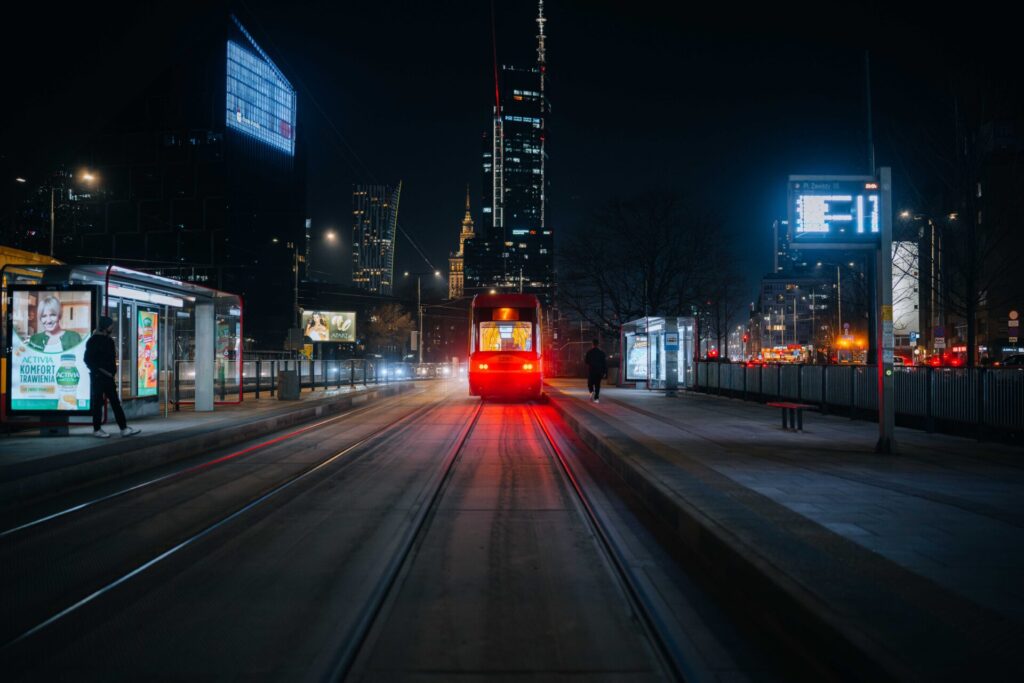
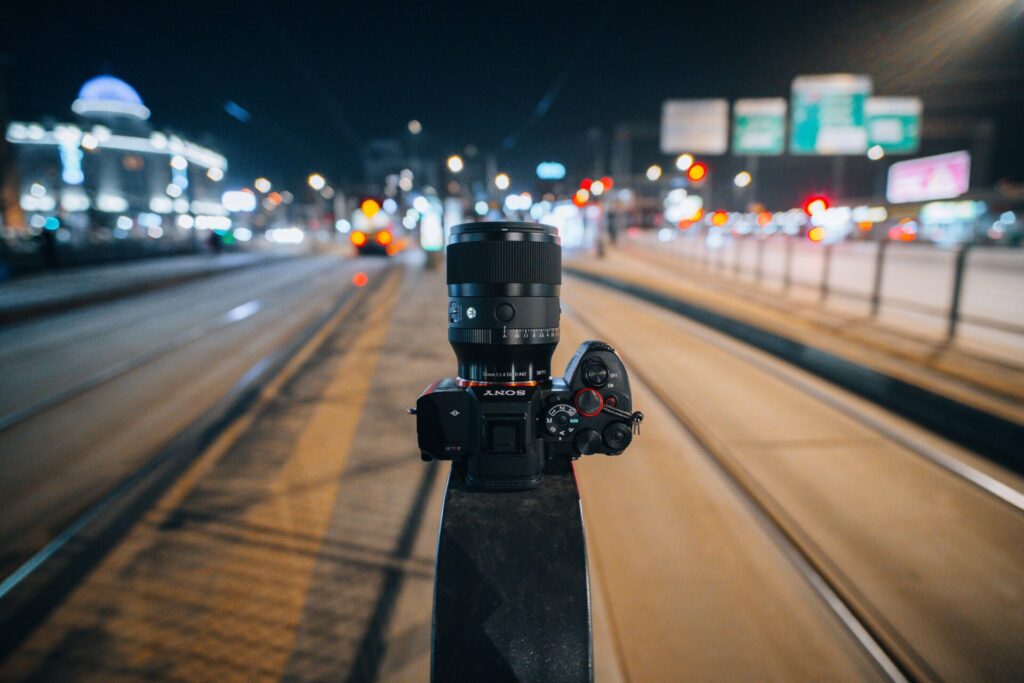
When Sigma released the 35mm F1.4 DG DN Art back in 2021, it immediately set a new benchmark for mirrorless-native 35mm primes. It was optically impressive, solidly built, and came in at a price that made Sony's equivalent look hard to justify. Five years later, the Sigma 35mm F1.4 DG II Art arrives as the definitive evolution of that lens.
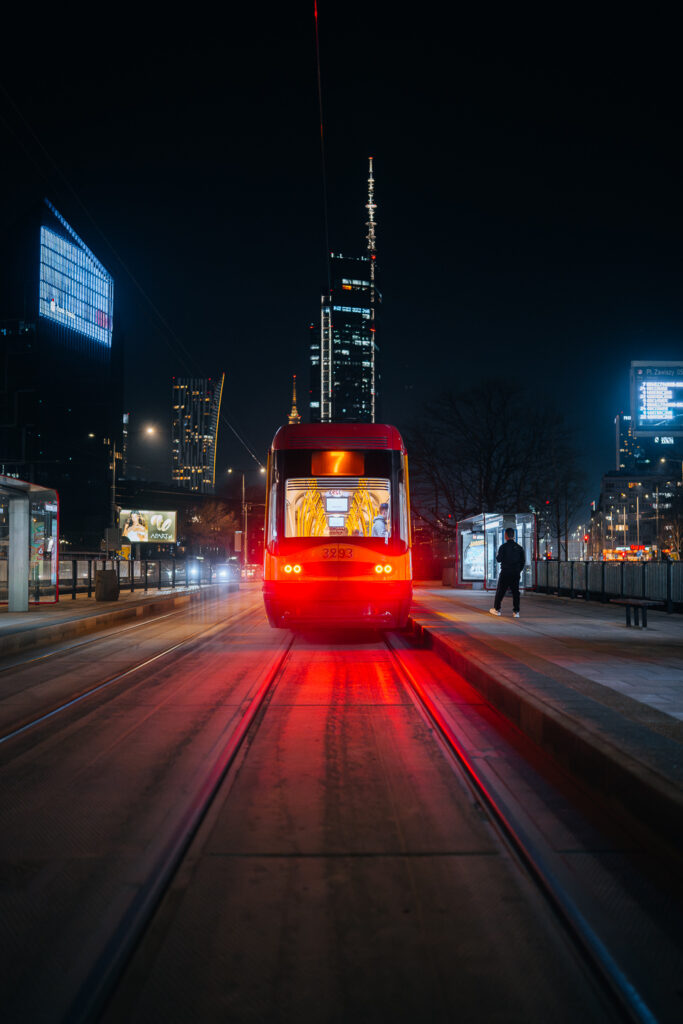
It's 14% shorter, 20% lighter, equipped with a completely redesigned 15-element optical formula, and now powered by a Dual HLA autofocus system previously reserved for Sigma's flagship glass. I took it out on the streets of Warsaw with my Sony A7RV, and here's my honest take.

What is the Sigma 35mm F1.4 DG II Art?
From DG DN to DG II – What Actually Changed in 5 Years?
The naming shift from DG DN to DG II isn't cosmetic. It signals a ground-up redesign rather than an incremental update. As Sigma's official announcement confirms, the DG II is built on a completely new optical formula. There are 15 elements in 12 groups, incorporating two SLD glass elements and four high-precision aspherical elements. The previous DG DN used 14 elements in 11 groups. A complete redesign touches every major system, from the optics and autofocus to the coatings and mechanical construction.
The headline improvements are a floating focus system that simultaneously reduces size and improves optical performance. Sigma's new AAC (Advanced Amorphous Coating) to eliminate ghosting and flare, and the Dual HLA motor system. Compared to the 2021 version, The Digital Picture's lab tests show the DG II is measurably sharper, particularly at the edges of the frame.
Key Specs at a Glance
The Sigma 35mm F1.4 DG II Art is available for Sony E-mount and L-Mount. As mentioned, it features a 15-element, 12-group construction, 11 rounded aperture blades, a minimum focusing distance of 28cm, a 67mm filter thread, and weighs in at 525g for the E-mount version.
Dimensions are 73mm x 96mm, noticeably more compact than the 2021 DG DN it replaces.
Build Quality & Design – Smaller Without Feeling Cheaper
14% Shorter, 20% Lighter – Does It Actually Make a Difference?
On paper, 20% lighter sounds significant. In hand, it really is. The DG II sits on the A7RV more naturally than its predecessor. The balance feels right for a full day of street shooting without a shoulder strap. Sigma achieved this reduction through a floating focus system that allows the optical formula to be more compact. Plus, precise space-saving innovations throughout the mechanical construction, as detailed in Sigma's press materials.
The result is a lens that still feels premium and substantial. This isn't a lens that feels hollowed out to save weight. Aluminum and TSC (Thermally Stable Composite) construction give it the rigidity you'd expect from the Art line.
The lens features dust and splash resistance, along with a water and oil-repellent coating on the front element. These are essentials for street photographers who don't stop shooting when conditions get difficult.
Controls: Dual AFL Buttons, De-clickable Aperture Ring & Lock Switch
The designers thought out the DG II's control layout well.
Two AFL (autofocus lock) buttons, positioned for both landscape and portrait orientation shooting, mean you're never fumbling for focus hold.
You can de-click the aperture ring for smooth, silent transitions in video, while the lock switch prevents accidental changes during fast-paced shooting. As The Digital Picture notes, this lens shares the same control complement as Sigma’s current Art line. It's a consistent, professional-grade layout that makes the lens feel intuitive the moment you pick it up.

How Does the Sigma 35mm F1.4 DG II Perform in Real-World Shooting?
Dual HLA Autofocus – A Big Leap from the 2021 Version
This is where the DG II surprised me most during my Warsaw street walk.
The Dual HLA (High-response Linear Actuator) system. This is the same motor technology found in Sigma's 35mm F1.2 DG II Art. It drives the focus group with noticeably more speed and authority than the single stepper motor in the 2021 DG DN.
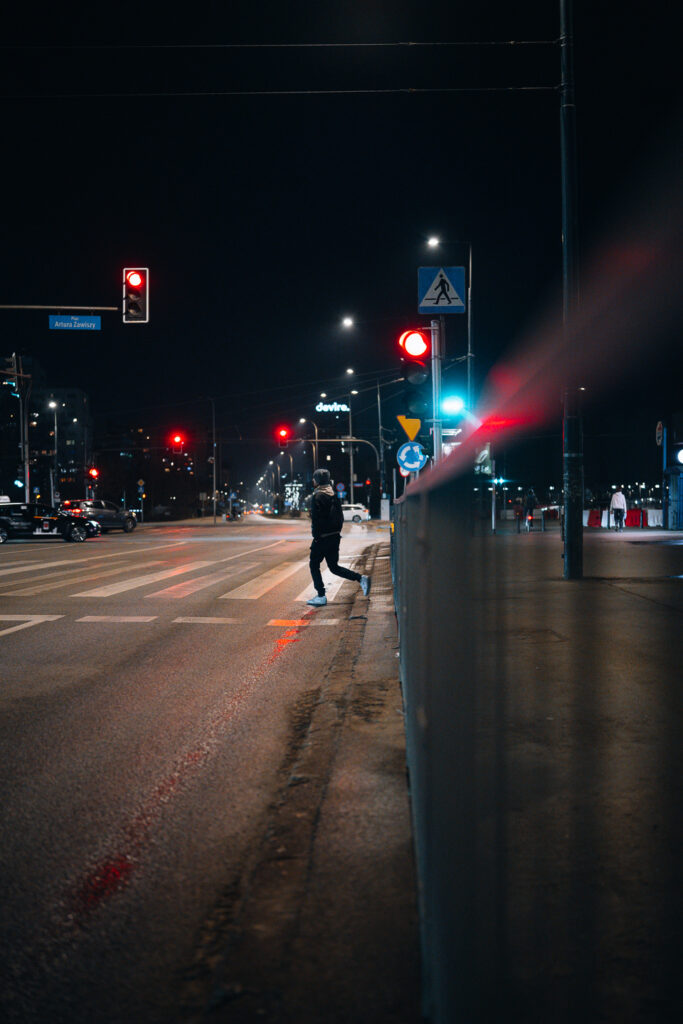
On the A7RV in AF-C, it was fast, confident, and quiet. No hunting, no hesitation. Just clean and decisive locks, even on moving subjects in variable light.
The DG II also keeps focus breathing to a minimum, which makes it a very capable video lens. The focus shift when pulling from near to far is smooth and natural. This is something Sigma specifically engineered through the arrangement of the focus group.
For hybrid shooters who move between stills and video, this matters. It's a meaningful step up from what the 2021 version offered, where AF was competent but never quite the lens's strongest suit.
Image Quality, Bokeh & the New AAC Coating
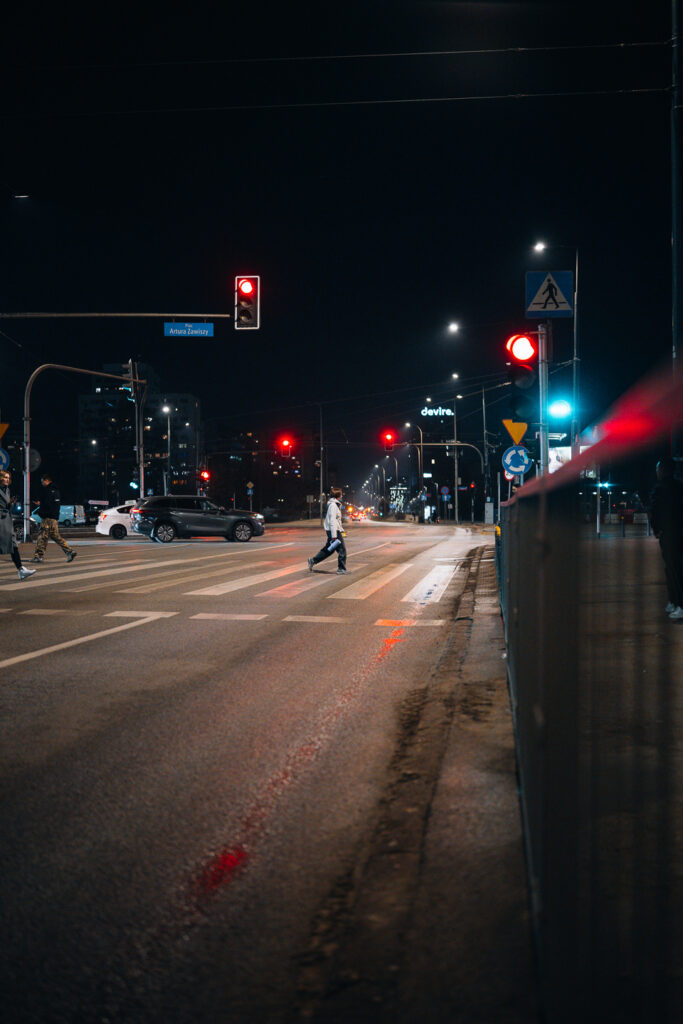
Wide open at F1.4 on a 61-megapixel A7RV sensor, the Sigma 35mm F1.4 DG II Art delivered exceptional center sharpness that hugely impressed me. This is a lens that doesn't ask you to stop down to earn good results.
The four high-precision aspherical elements and SLD glass do their job. Axial chromatic aberration is thoroughly controlled, and the in-focus plane is clean and detailed from the moment you open up.
Bokeh rendering at F1.4 is beautiful, smooth, round, and free from the color fringing that often plagues fast primes wide open. The 11-blade rounded diaphragm maintains circular bokeh balls even as you stop down. The out-of-focus areas have a natural, unforced quality that works particularly well for street portraits. The new AAC coating keeps contrast high and handles backlit street scenes cleanly, with flare and ghosting well controlled even when shooting into morning light.


Is 35mm F1.4 Still Worth It in 2026?
Short answer: yes, and arguably more than ever.
The 35mm focal length occupies a uniquely versatile position. It's wide enough to capture the environment and context in street scenes, yet tight enough to isolate a subject with real presence.
F1.4 adds low-light capability and background separation that slower alternatives can't match. For street photography in particular, the 35mm focal length's ability to blend environmental storytelling with subject intimacy makes it one of the most expressive focal lengths available.
The F1.4 aperture also means you're working with a shallow depth of field in the right conditions, something that F1.7 or F2+ alternatives can approximate, but not replicate.
On the high-resolution A7RV sensor, this difference becomes visible in ways it might not on a lower-resolution body. If you're shooting street portraits, low-light scenes, or any work where subject separation and light-gathering matter, F1.4 earns its place.
For those who don't need that extra stop, check out my Viltrox 35mm F1.7 Air first look on Sony E – a much lighter and more affordable alternative worth considering.

Sigma 35mm F1.4 DG II vs. The Competition
vs. Sony FE 35mm F1.4 GM – Definitely Cheaper, Comparable Performance
The Sony FE 35mm F1.4 GM is the gold standard for 35mm on Sony bodies, and the DG II closes the gap significantly compared to the 2021 DG DN. Lab comparisons from The Digital Picture show the two lenses performing at near-identical levels in image quality. Sony holds a slight edge in peripheral sharpness, while both produce outstanding center resolution wide open.
Sony still has an edge in native autofocus integration, particularly focus breathing compensation on supported bodies, and Sony's weather sealing is more comprehensive. But still, Sigma is a serious challenger.
If you're Sony-native and want the absolute best AF integration, the GM is the call. If you're buying on optical performance and value, the DG II makes a compelling case.
vs. Original Sigma 35mm F1.4 DG DN Art (2021) – Worth the Upgrade?
If you own the 2021 DG DN and are considering the upgrade, the answer depends on how much the autofocus improvement and size reduction matter to you. Optically, the DG II is measurably better. It is sharper at the edges, has better-controlled aberrations, and improved flare resistance via the AAC coating. The Dual HLA AF system is a clear step up from the single stepper motor. And 20% lighter is noticeable over a full day of shooting.
If you shoot stills primarily in good light and your current copy is performing well, the upgrade is nice but not urgent. If you shoot video, do fast-paced street work in AF-C, or have noticed the original's AF hunting in low light, the DG II addresses all of those areas directly.
vs. Viltrox 35mm F1.7 Air – When You Don't Need F1.4
Viltrox 35mm F1.7 Air is a completely different proposition. It's featherweight, compact, and a fraction of the price. If portability is your absolute priority and you can live with F1.7 instead of F1.4, Viltrox is an excellent option.
For the shooters who want both compactness and serious optical performance, consider also how the Viltrox 50mm F2 Air sits at the other end of that spectrum. It's ultralight and capable, but a different focal length story entirely.

Who Should Buy the Sigma 35mm F1.4 DG II Art?
The Sigma 35mm F1.4 DG II Art is built for photographers who want professional-grade 35mm performance without paying for the Sony GM.
Street photographers and documentary shooters will find the combination of F1.4 light-gathering, fast Dual HLA autofocus, and weather sealing makes this an ideal everyday prime. Hybrid shooters will appreciate the minimal focus breathing, the de-clickable aperture ring, and the quiet AF motor. And anyone currently on the 2021 DG DN who shoots video or demands faster, more reliable AFC tracking has a clear and meaningful upgrade path.
For those who are just starting to build their prime lens collection, it's also worth checking out my reviews of the 7Artisans 40mm F2.5 LITE and the Yongnuo 23mm F1.4 DA DSM WL Pro for options at very different price points.
Final Verdict
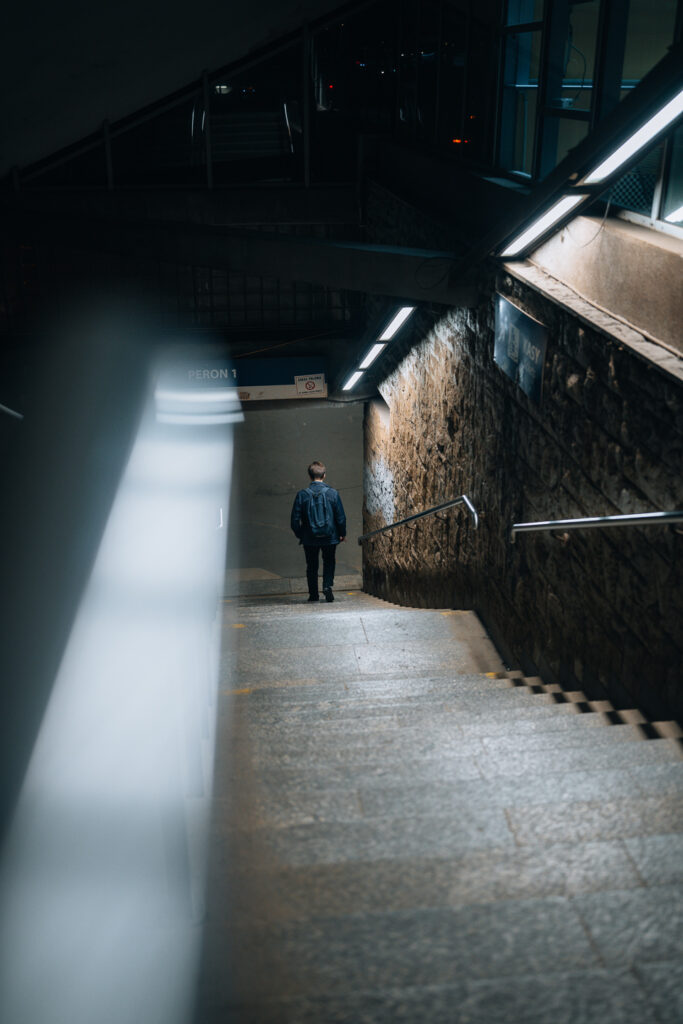
The Sigma 35mm F1.4 DG II Art is the lens the 2021 DG DN always wanted to be. It's smaller, lighter, optically superior, and equipped with an autofocus system that finally matches the ambition of the optics. At $1,059, the value proposition is very strong. My night on the streets of Warsaw with the A7RV confirmed what the spec sheet suggested. This lens is fast, sharp from the moment you open up, and produces bokeh that makes F1.4 shooting feel effortless.
Ready to add it to your kit? The Sigma 35mm F1.4 DG II Art ships April 16, 2026. And if you're building out a Sony prime collection at different price points, the full lens review archive on EastBanger's blog has you covered, from $159 pancakes to professional-tier Art glass.
As usual, here's a quick video: