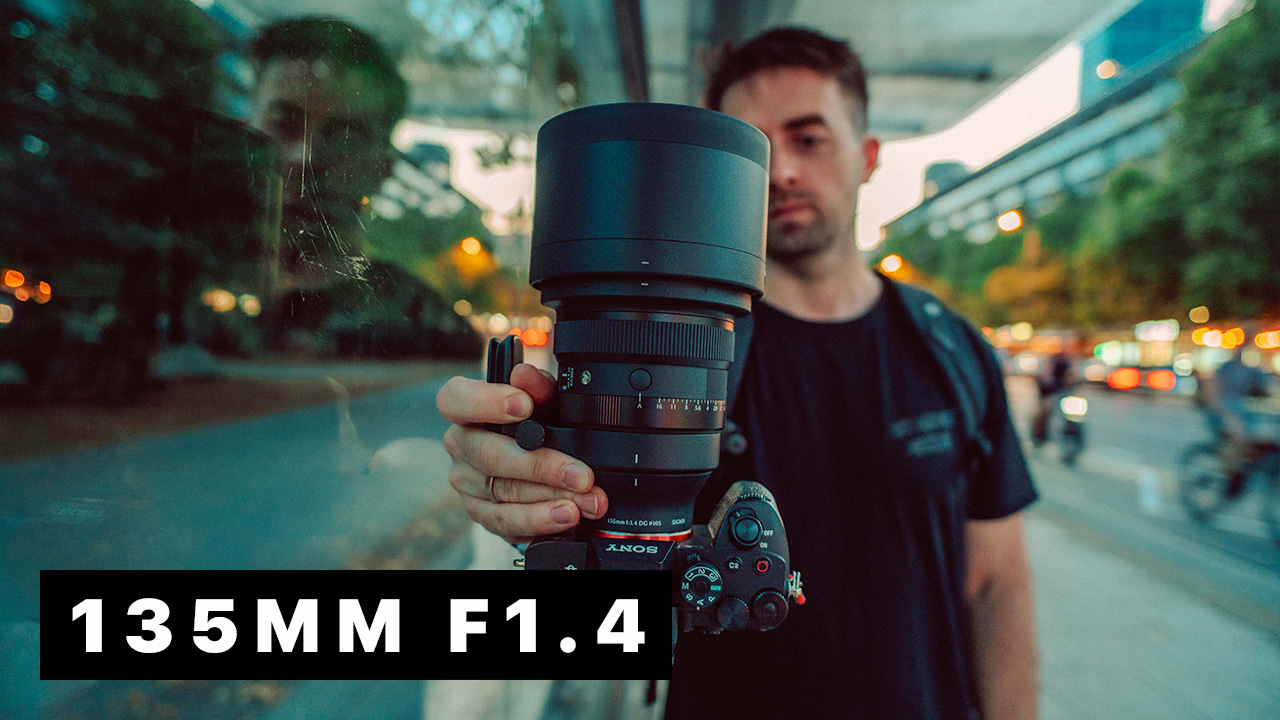
I shoot with Sigma 35mm and 50mm F1.2 lenses daily. Both are autofocus, both are incredibly sharp, and both cost more than most people's first car. So when the Brightin Star 50mm F0.95 II arrived, a manual-focus lens selling for under $400, I was skeptical about what it could offer that my premium glass couldn't.
The answer wasn't what I expected. This isn't about replacing high-end autofocus lenses. It's about rediscovering manual focus in an era where we've forgotten how satisfying it can be when executed well. And about that Brightin Star 50mm F0.95 II, this lens does things with light that even my F1.2 Sigma lenses can't touch.
I spent three weeks shooting Warsaw's night streets exclusively with the Brightin Star 50mm F0.95 II. No autofocus safety net, no backup lenses. Just manual focus, extreme aperture, and whatever the city threw at me after dark.
Here's what I discovered.


First Impressions: This Is the Second Generation
The "II" designation matters here. This isn't just a marketing refresh. Brightin Star definitely improved the original lens in meaningful ways.
The most immediate difference is the focus ring. It's smoother than the first version, with perfectly damped resistance that makes precise focusing actually enjoyable. When you're hunting, focus at F0.95 where the depth of field is razor-thin, and that smooth action becomes crucial. The difference between nailing focus and missing it often comes down to how confidently you can make micro-adjustments.
Build quality surprised me. At 757 grams, this lens has substantial weight, but it's distributed well. The all-metal construction feels professional, not budget. There's zero flex anywhere, the aperture ring clicks with satisfying precision, and the integrated retractable lens hood locks securely in place.
That lens hood deserves special mention. It extends and retracts smoothly, locks with a twist, and adds zero bulk when retracted. I'm a big fan of integrated hoods. You can't forget them at home. They don't take up bag space, and they're always available when you need flare protection.
The Brightin Star 50mm F0.95 II Reality Check
Let's address the elephant in the room: F0.95 is extreme.
My Sigma 50mm F1.2 is already considered very fast. The Brightin Star goes nearly a full stop brighter. That's not a subtle difference. It's transformative for how you approach low-light photography.
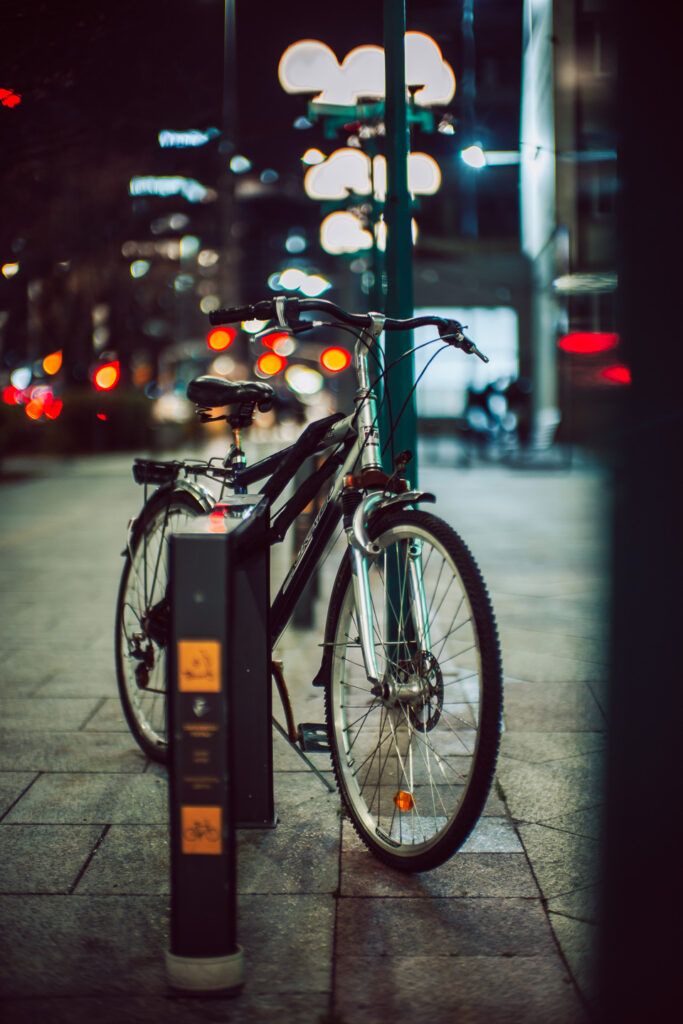
At F0.95, you're collecting light like a vacuum. Warsaw's dimly lit streets that some would require ISO 4000 and up, with my F2.8 lenses, became shootable at ISO 1600 with the Brightin Star. Night scenes that felt marginal suddenly became comfortable. That red fire hydrant I shot under dim street lighting? Sharp, clean, and captured at a reasonable ISO because F0.95 pulled in enough light to work with.
But extreme aperture comes with extreme challenges. The depth of field at F0.95 is absurdly shallow. It is sometimes just a few centimeters deep. Miss focus by millimeters, and your subject is soft. Nail it perfectly, and you get subject isolation that's almost three-dimensional.
This isn't a lens for lazy focusing. It demands precision.


Manual Focus: Way Easier Than Expected
Here's what surprised me most. Manual focusing was significantly easier than I anticipated.
Coming from daily shooting with autofocus Sigma lenses, I expected manual focus to feel like a step backward: slow, frustrating, prone to missing shots. But the improvements Brightin Star made to the focus mechanism really matter.
The focus ring travels smoothly with perfect damping. There's enough resistance to prevent accidental movement, but not so much that you're fighting it. Fine adjustments happen naturally, without overshooting or hunting back and forth.
Focus peaking on my camera made nailing focus straightforward. At F0.95, even slight misfocus is immediately visible through the viewfinder. The combination of good focus peaking and a quality focus ring meant I rarely questioned whether I'd nailed focus.
Street photography at night actually benefits from manual focus in some ways. You can pre-focus at a distance, wait for your subject to enter the plane of focus, and shoot. With autofocus, you're trusting the camera to pick the right focus point in complex scenes. With manual, you're in complete control.
Don't get me wrong. It's slower than autofocus. For fast-moving action or spontaneous moments, my Sigma lenses are faster. But for waited night street photography, where you're composing carefully, manual focus wasn't the handicap I expected.

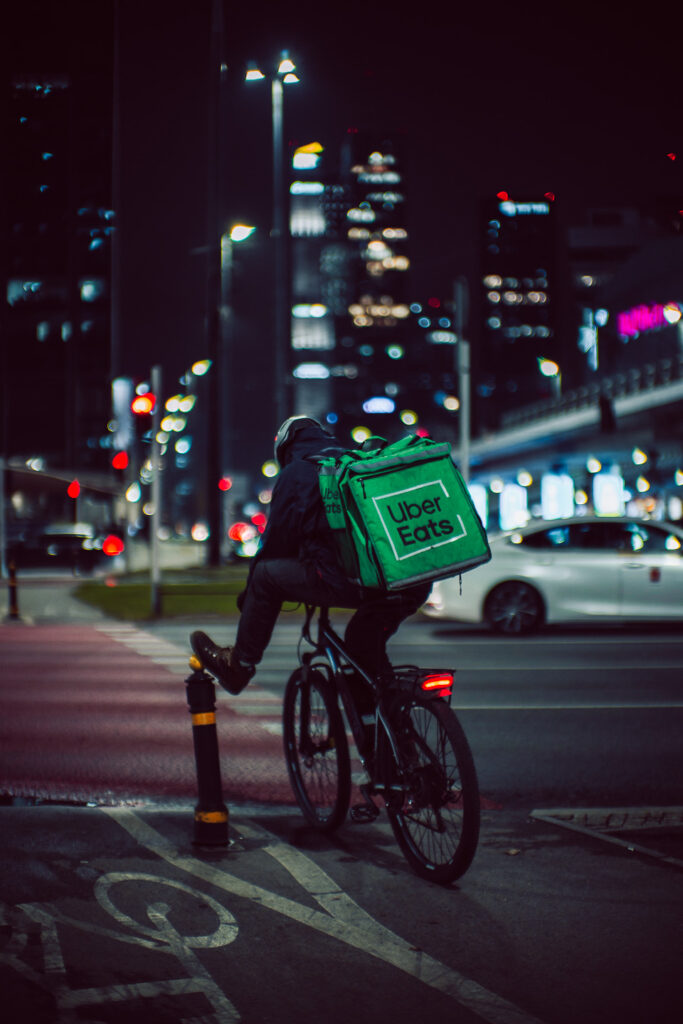
Image Quality: Sharp Where It Counts
Wide open at F0.95, the image is soft. Let's be honest about that.
Center sharpness is acceptable but noticeably soft. Contrast drops, and there's a subtle glow to highlights that creates a dreamy, almost cinematic look.
Some photographers love this rendering. It has character, a soft, glowing quality that works beautifully for environmental portraits and atmospheric street scenes. But if you're expecting tack-sharp clinical precision, you'll be disappointed.
Stop down to F1.4 or even F2, and everything changes. Sharpness improves dramatically, contrast increases, and the lens delivers crisp detail that rivals much more expensive glass. By F2.8, this lens is amazingly sharp across the frame.
But we're not buying a lens that is F0.95 to use it only at F2.8 and up.
Anyway, what impressed me was how sharp the lens is where it needs to be. Your subject pops with clarity while everything else melts into a creamy blur. That's exactly what you want from an ultra-fast lens.
Bokeh: The F0.95 Signature
Background separation at F0.95 is almost absurd.
That fire hydrant shot demonstrates this perfectly. The hydrant sits in sharp focus while the hotel entrance behind it, maybe 2 meters away, is completely dissolved into a soft, creamy blur. The background lights create circular bokeh balls with smooth edges and gradual transitions.
The 10-blade aperture creates decagon-shaped bokeh highlights when stopped down, which some people find less attractive than perfectly round highlights. Wide open at F0.95, highlights stay relatively circular and smooth.
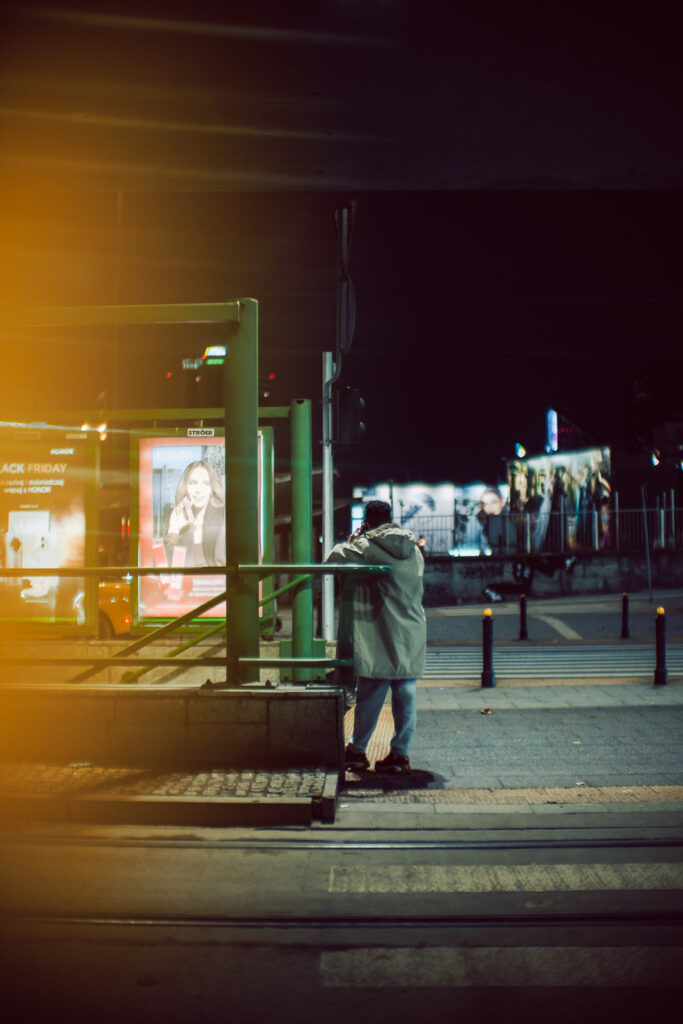
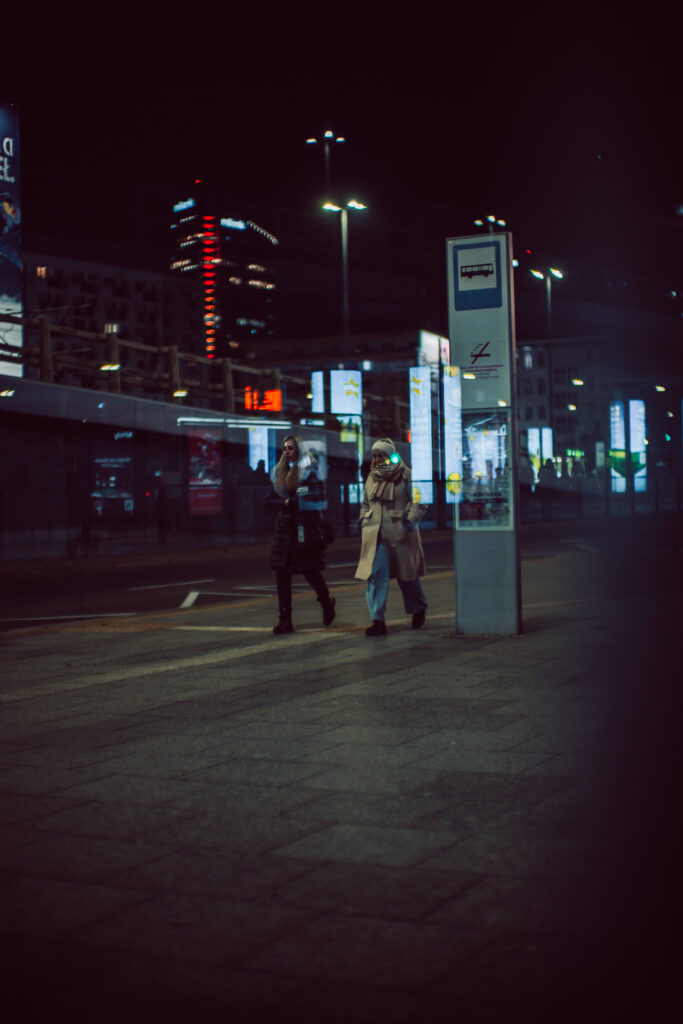
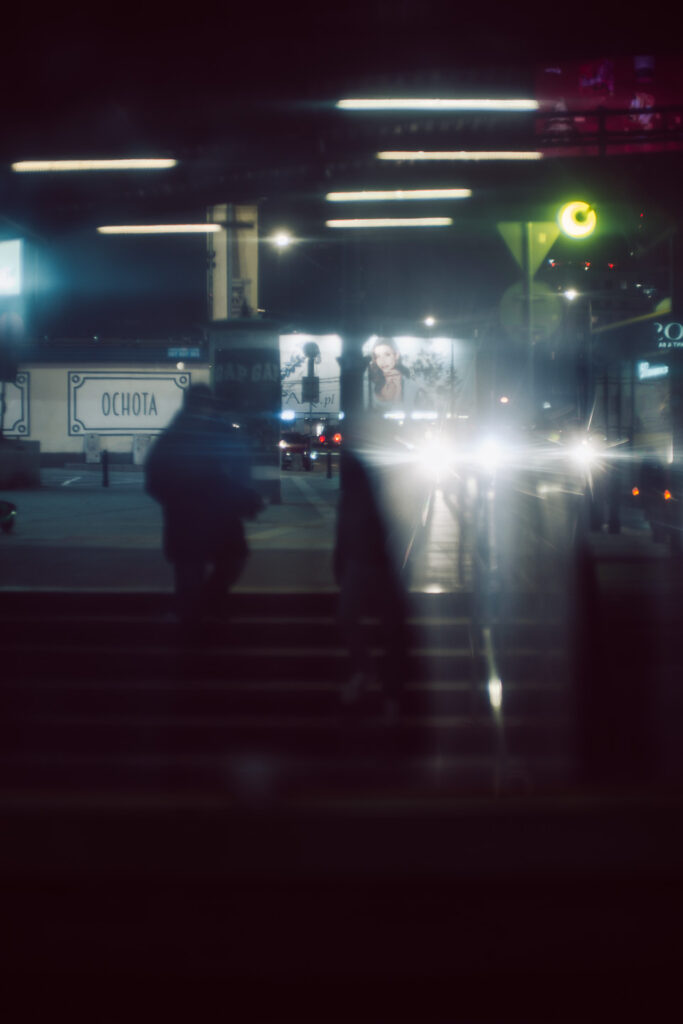
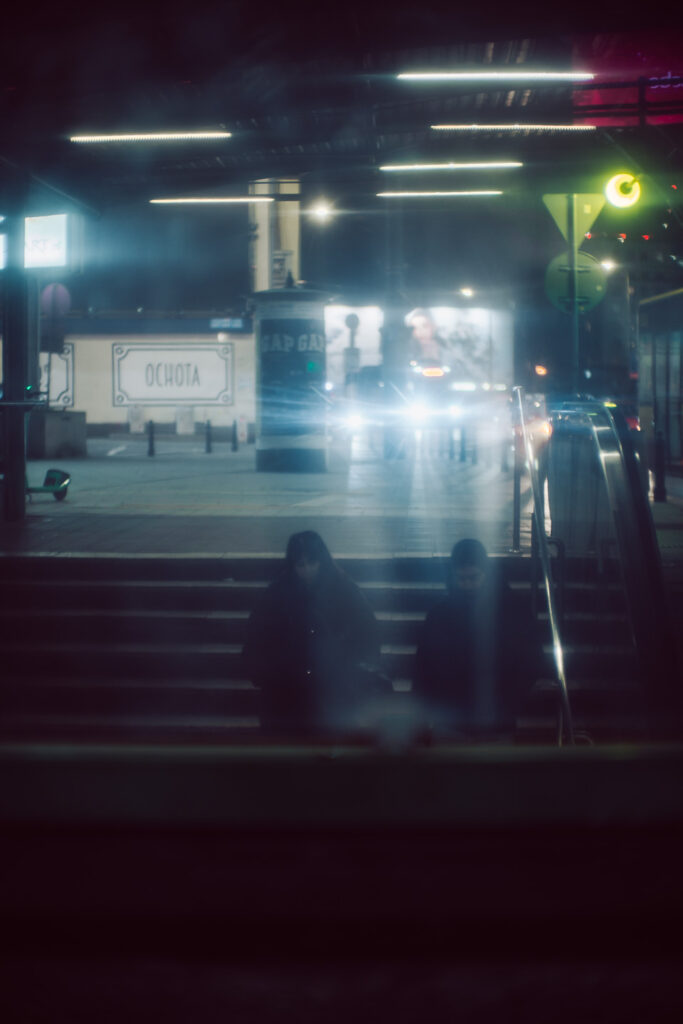
Vignetting is significant at F0.95. It is much heavier than on my Sigma lenses. But for night street photography, I actually liked this. The darkened corners naturally draw attention toward the center where your subject lives. It creates a spotlight effect that works beautifully for a city's silhouettes.
Night Street Photography With Brightin Star 50mm F0.95 II
Three weeks of Warsaw night streets taught me exactly where the Brightin Star 50mm F0.95 II shines.
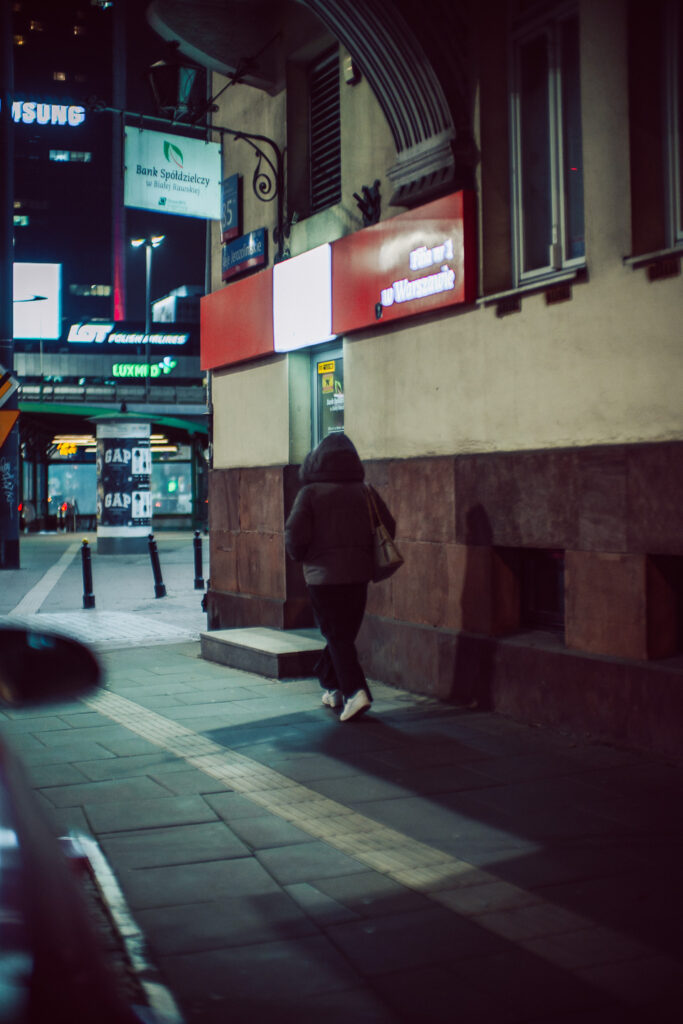
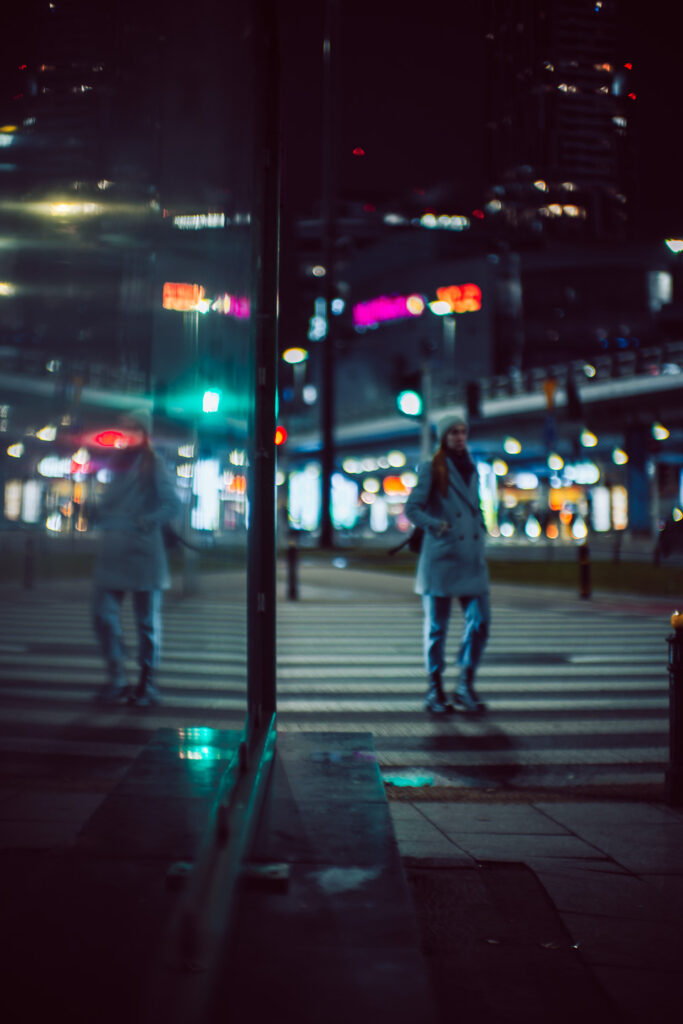
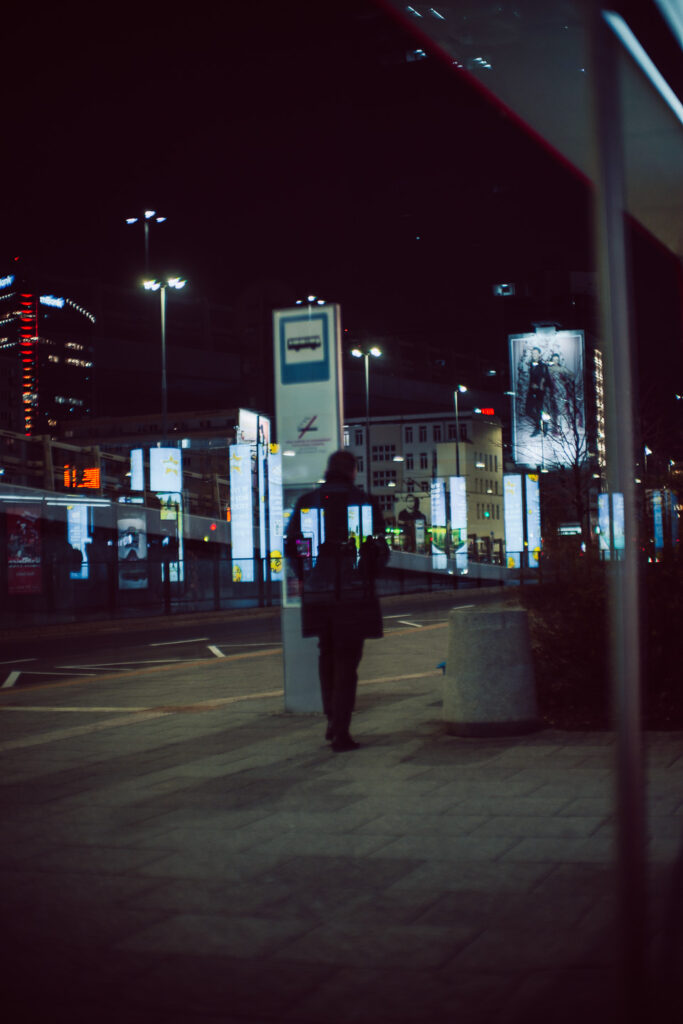
Dark streets became my playground. Streets with minimal lighting, narrow alleys with single streetlamps, illuminated storefronts against dark backgrounds. These scenes that would be marginal with slower lenses became totally shootable. I could maintain ISO 640-2000, use fast enough shutter speeds to freeze motion, and still capture clean images.
Getting close to subjects under bad light, shooting wide open, and letting the background melt away created images with incredible depth and vibe. The F0.95 aperture isolated subjects dramatically, while the soft rendering added mood.
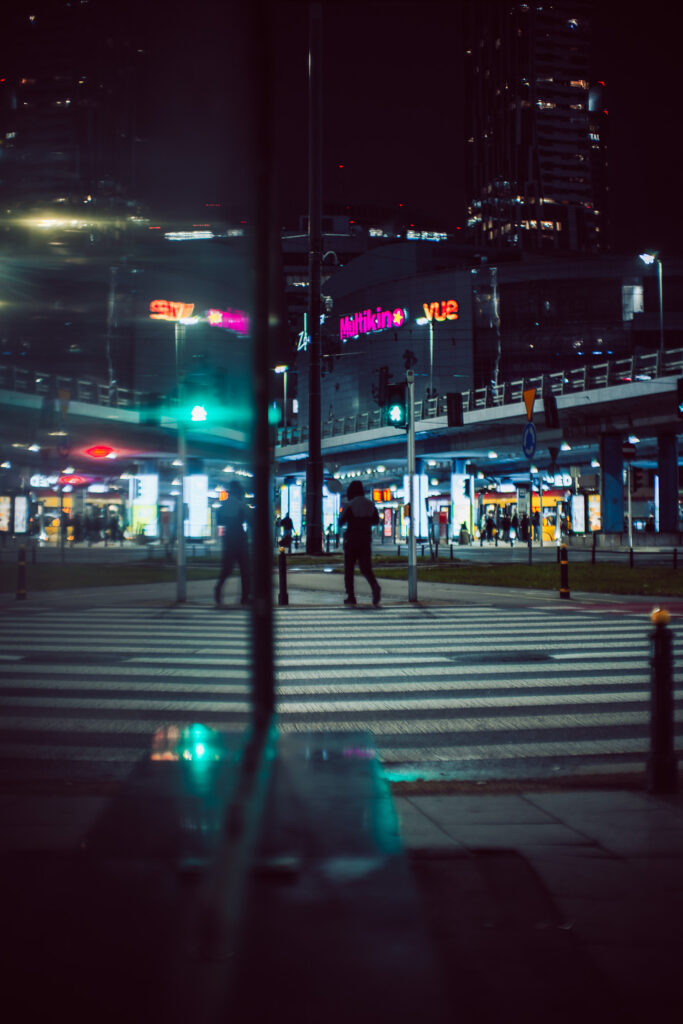
Silhouettes and backdrop scenes worked beautifully. Shooting subjects against illuminated backgrounds: neon signs, streetlights, cars' headlights, created dramatic contrast. The lens handles flare better than the original version, though you still need to be mindful of bright light sources.
Bokeh shots of city lights became almost too easy. Out-of-focus light sources turn into huge, abstract circles that fill the frame with atmosphere.

What Doesn't Work
Let's talk limitations honestly.
Fast-moving subjects are challenging. But this is about all manual lenses, not only this one.
The minimum focusing distance of 50 cm is limiting for detail shots. You can't get super close for details or tight compositions. This isn't a macro lens.
Wide open softness won't appeal to everyone. If you want perfect sharpness at maximum aperture, this lens won't deliver. The soft, glowing rendering is characterful, but it's not sharp.
No weather sealing means you're taking risks in rain or heavy moisture. I shot in light drizzle without issues, but I wouldn't trust this lens in serious weather.
Who Should Buy This Lens?
After three weeks of exclusive use, I can recommend the Brightin Star 50mm F0.95 II to specific photographers.
- Night street photographers who value light-gathering capability will appreciate F0.95. If you regularly shoot in dark city locations and want to minimize ISO, this lens delivers.
- Photographers comfortable with manual focus will enjoy the improved focus mechanism. If you already shoot manual lenses or want to develop manual focusing skills, the II version makes that learning curve manageable.
- Budget-conscious shooters seeking extreme aperture get exceptional value. For around $400, you're getting F0.95 in a well-built package. Compare that to F1.2 $1,500+ autofocus alternatives, and the value is clear.
- Portrait photographers who love shallow depth of field will create images with incredible subject isolation. Street portraits, headshots, and creative snaps all benefit from F0.95 rendering.
- Videographers and filmmakers seeking a cinematic look will appreciate the soft, glowing wide-open rendering and smooth focus ring for manual pulls.
Final Words
The Brightin Star 50mm F0.95 II is a lens that knows exactly what it is: an affordable, well-executed manual focus prime for photographers who value extreme aperture and intentional shooting.
It won't replace my Sigma lenses for professional work or situations requiring autofocus reliability. But it's earned a permanent spot in my bag for personal night street photography projects where I want that extra stop of light and don't mind, actually prefer, the discipline of manual focus.
The improvements over the original version matter. The smoother focus ring, improved sharpness, and better flare resistance make this better than its predecessor. For $370-410, you're getting really good value.
Three weeks of shooting Warsaw's night streets taught me that F0.95 isn't just a spec. It's a creative tool that opens possibilities unavailable with slower glass. The Brightin Star 50mm F0.95 II delivers that capability in a package that's well-built, reasonably priced, and enjoyable to shoot with.
If you're curious about extreme aperture photography, comfortable with manual focus, and want to explore what F0.95 can do without spending thousands, this lens deserves serious consideration. It's not perfect, but it's very good at what it does.
And sometimes, that's exactly what you need.
As usual, here's a video from one of my photo walks in Warsaw.
A few words about a different F0.95 I tested in the past.