

I put this to the test on video. Watch the full Sony A6000 in 2026 session below. But if you're here for the technical deep-dive, keep reading.
The Sony A6000 was announced on February 12, 2014. At the time, it claimed the title of world's fastest autofocus in any interchangeable-lens camera. A bold statement, Sony backed with a 0.06-second AF lock time and 179 phase-detection points. It shipped with a 24.3-megapixel APS-C sensor and an 11fps burst rate that embarrassed cameras twice its price.
In 2026, you can buy one used for around $150-200. The question isn't whether it's cheap. The question is whether it's still good.
Let's find out.

The Sensor: 24.3MP APS-C Exmor CMOS
Let's start with the core of the camera, the 24.3-megapixel APS-C Exmor CMOS sensor, paired with Sony's BIONZ X image processor. This sensor measures 23.5 x 15.6mm, the same physical size as the APS-C sensors in cameras sold brand new today. That's not a coincidence. It's a reminder that sensor size has a bigger impact on image quality than sensor age.
The resolution story holds up surprisingly well. Twenty-four megapixels produces files at 6000 x 4000 pixels. For web publishing, social media, and prints up to A2 size, that's more than enough. Modern mirrorless cameras have pushed to 33MP, 40MP, and even 60MP, but that resolution race has very little practical impact for the majority of photographers. The A6000's 24MP output is still the industry standard for professional wedding and street photography in 2026.
Where the sensor shows its age is in its dynamic range. The A6000 scored 82 on DxOMark, respectable for its era, but noticeably behind modern sensors. In practical terms, this means your latitude in post-processing is limited. Blow out the highlights or crush the shadows in-camera, and recovery is more difficult. You need to nail exposure more precisely in-camera, which is actually a useful skill to develop.
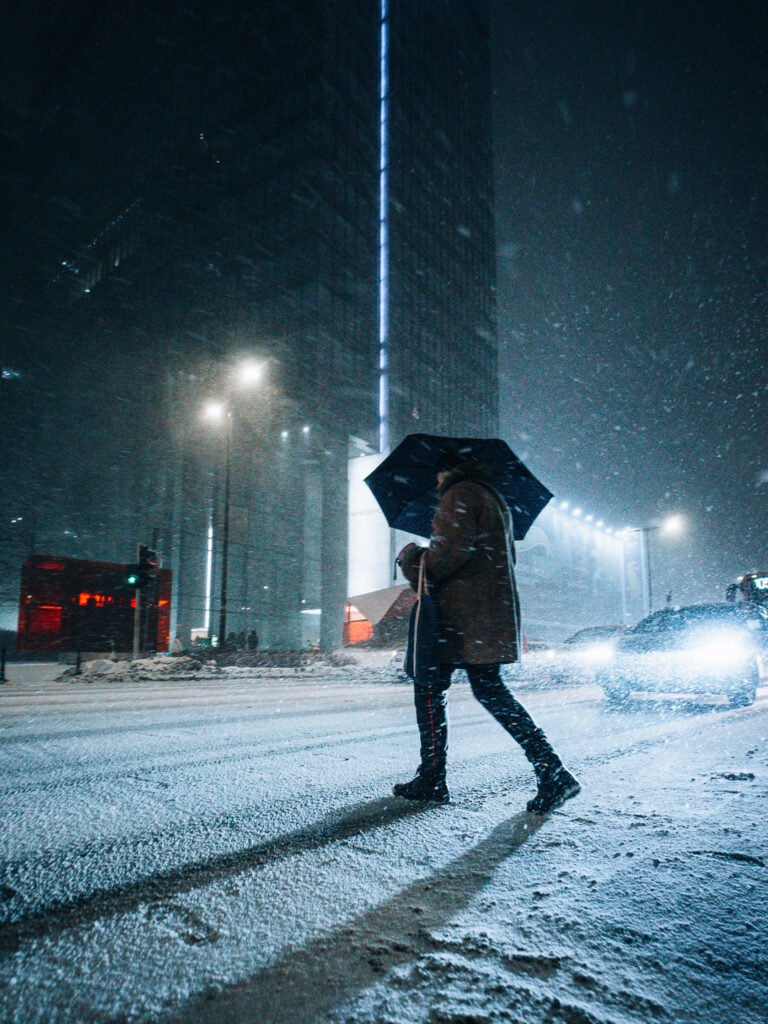
ISO performance is solid up to ISO 1600, acceptable at ISO 3200, and progressively noisier beyond that. The native range runs from ISO 100 to 25,600, expandable to 51,200, though the expanded end is largely unusable for anything except emergencies. For daytime and golden hour street photography, this is a non-issue. For night shooting in dark environments, you'll feel the sensor's limitations.
The color science is worth mentioning. Sony's JPEG rendering from 2014 has a particular look, slightly cooler, with a crunchiness to the midtones that some photographers find more natural than the heavily processed output from modern cameras.
Autofocus: 179 Phase-Detection Points
When it comes to the Sony A6000 in 2026 and its autofocus system, it was the headline feature at launch. It remains one of the most impressive things about this camera, twelve years later.
The hybrid AF system combines 179 focal-plane phase-detection points with 25 contrast-detection points. The phase-detection array covers approximately 92% of the image area, a coverage ratio that was revolutionary in 2014 and still beats several entry-level cameras sold new today. Phase detection handles the initial, fast focus pull; contrast detection fine-tunes at the end. Together, they achieve that 0.06-second lock time Sony advertised at launch.
In 2026, this system lacks the subject recognition and AI-driven tracking that defines modern autofocus. There's no eye-detection, no animal recognition, and no scene-aware subject selection that decides for you what to focus on. The camera tracks movement competently through its Lock-on AF mode, but it requires you to identify and initiate tracking on your subject manually.
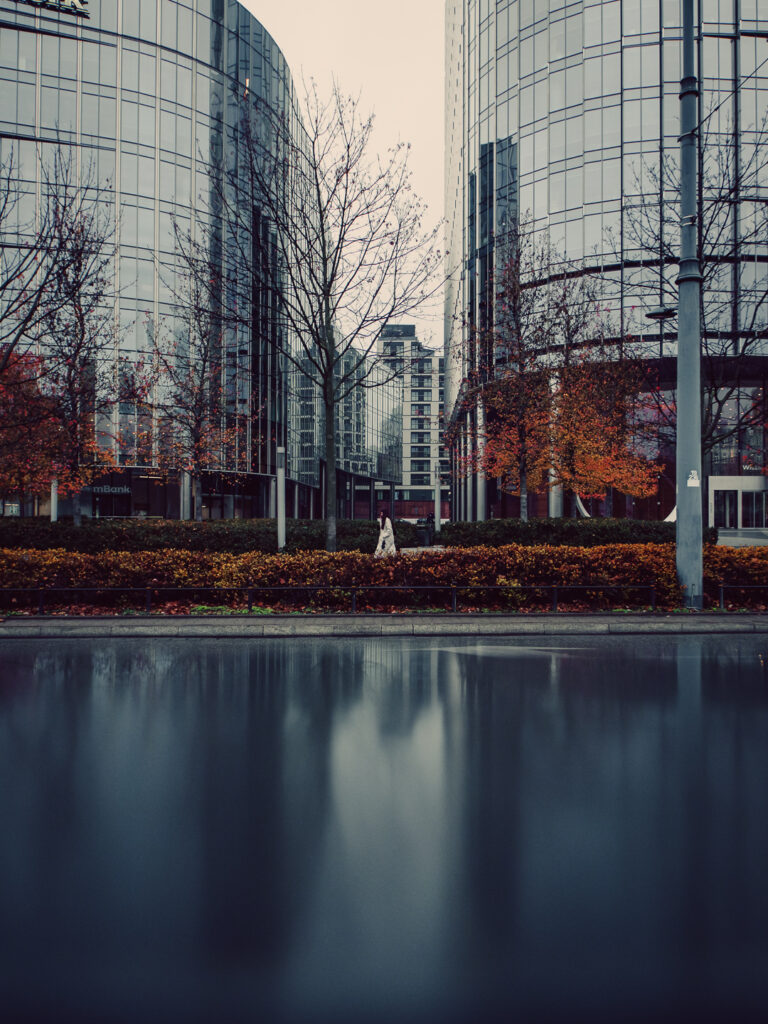
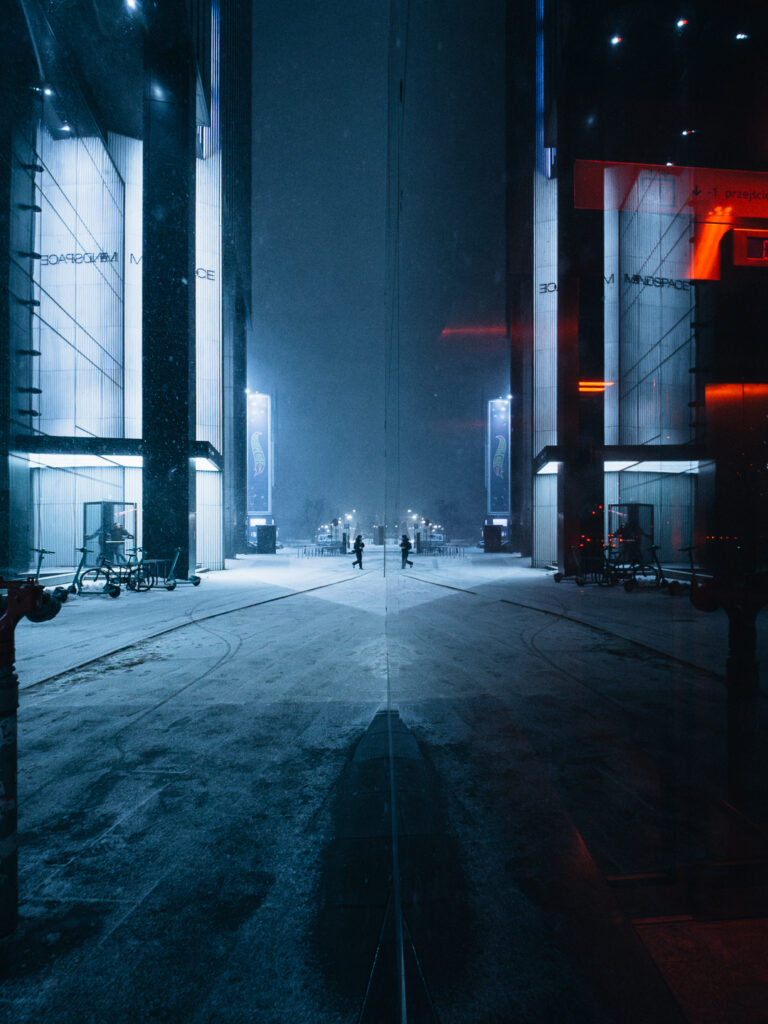
For street photography, this is less limiting than it sounds. Street photographers generally don't need a camera to track a bird's pupil through a forest. They need to lock focus quickly on a subject, hold it, and fire. The A6000 does exactly that. In practical street shooting, I didn't miss a single shot due to autofocus failure, only due to my own reaction time.
Face detection is present and functional, though it operates more slowly than modern implementations.
The continuous AF during burst shooting is where the system earns its reputation. At 11fps with tracking AF active, the A6000 maintains focus on moving subjects through a burst sequence with impressive consistency. The buffer holds approximately 22 RAW files or 49 JPEGs at full speed before slowing, enough for most real-world shooting situations.
Sony A6000 in 2026 & The 11fps Burst Rate
Eleven frames per second. In 2014, that figure put the A6000 in the same conversation as professional sports cameras that cost ten times as much. In 2026, it's still faster than several entry-level cameras shipping today.
The burst rate is electronic shutter only at maximum speed. When using the mechanical shutter caps, you get around 8fps. Electronic shutter at 11fps introduces some risk of rolling shutter distortion with very fast lateral movement, but for street photography, this is rarely a problem. The practical upshot is that you can machine-gun through a decisive moment and pick the sharpest frame later.
For photographers learning street photography specifically, the 11fps burst rate is somehow valuable. You set up for the shot, fire through the moment, and study which frame worked and why. It's both a practical tool and a teaching mechanism.
Build and Ergonomics: Small is a Feature
The A6000 body measures 120 x 67 x 45mm and weighs 344 grams without a lens. To put that in context, a Sony A7 IV body alone weighs 659 grams, nearly twice as much before you add glass.
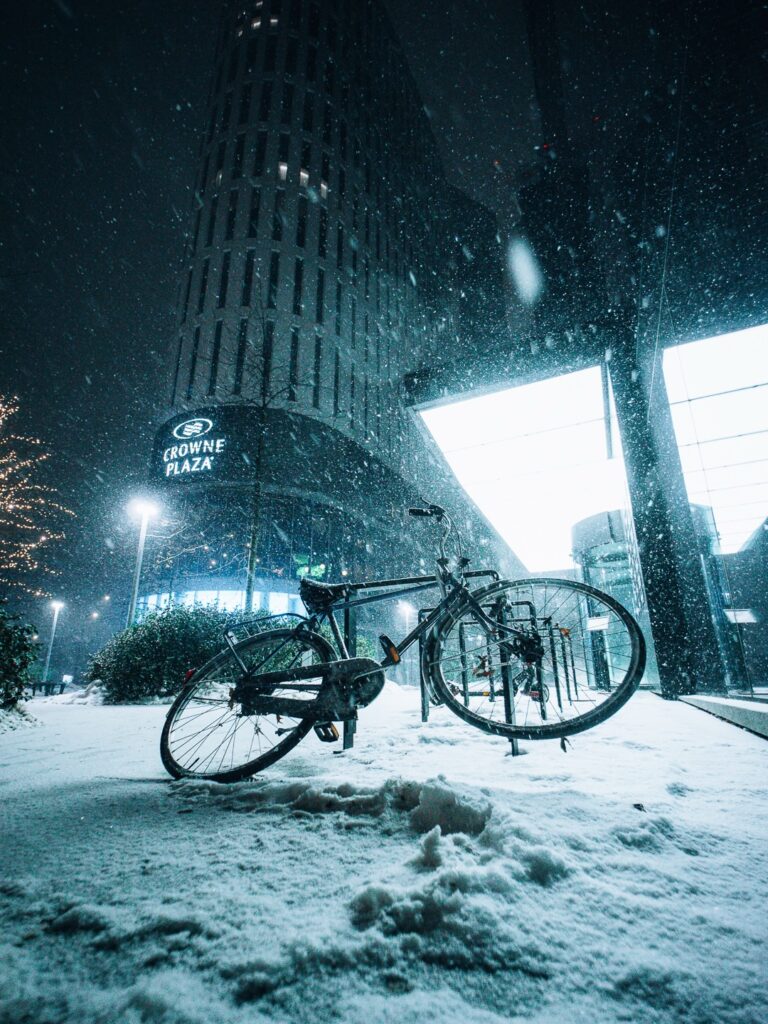
The compact dimensions are not a compromise for the A6000. They are the point. For street photography, a smaller camera changes how people react to you. The Sony A6000 in 2026 reads as a casual, non-threatening camera rather than a professional rig. People notice big cameras. They mostly ignore this one.
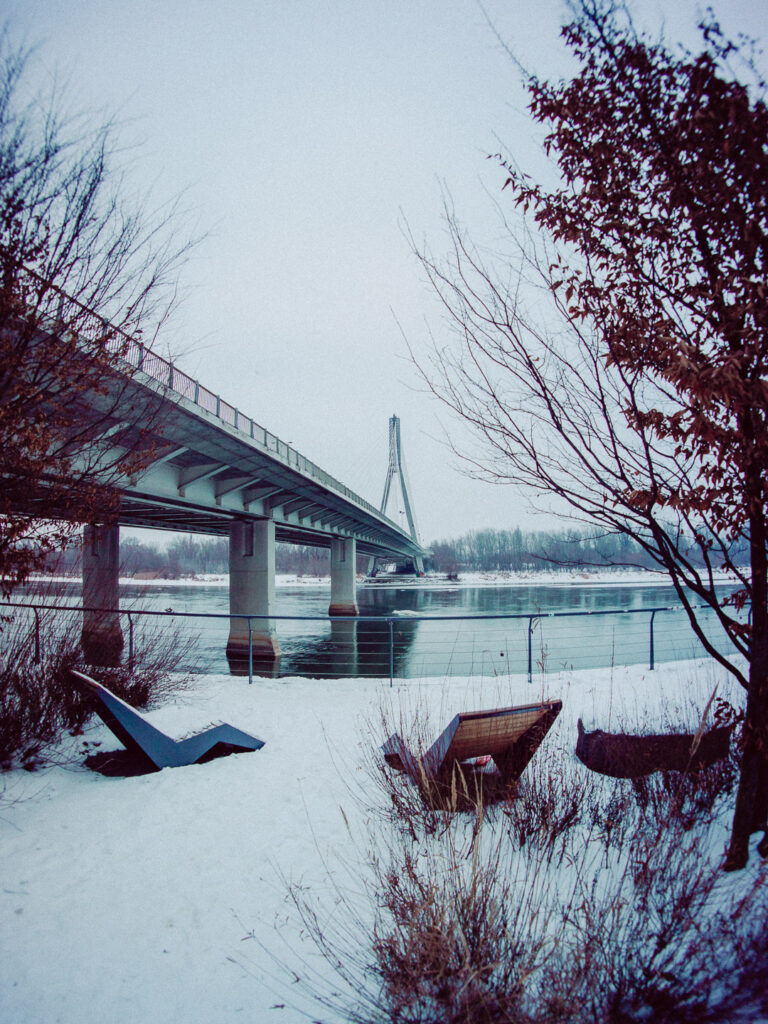
The body is polycarbonate, not weather-sealed, not magnesium alloy. It feels less premium than modern Sony bodies, and it is. There's no weather sealing, which means rain and dust require caution. The grip is shallow, which becomes noticeable after hours of shooting with heavier lenses. A small third-party grip accessory solves this for under $20. I still don't use any.
The two-dial control layout, one on the top, one on the rear, gives you direct access to the most critical exposure parameters. Aperture on one dial, shutter speed or exposure compensation on the other. This is genuinely good ergonomics that carries over to every Sony camera since.
The 3-inch tilting LCD at 922k dots is the most obviously dated element of the camera. It tilts only vertically (not fully articulating), it doesn't touch, and its resolution looks soft compared to modern displays. The 1,440k dot OLED electronic viewfinder is better, still usable, though not as crisp as current EVFs. Neither of these is a dealbreaker for stills photography, but video shooters who rely heavily on live view will feel the limitation daily.
Sony A6000 in 2026 & 1080p/60fps in a 4K World
The A6000 shoots Full HD 1080p at up to 60fps. In 2026, every smartphone in your pocket shoots 4K, and flagship cameras capture 8K RAW. So, where does 1080p stand?
For social media distribution, Instagram Reels, YouTube Shorts, and TikTok, the practical difference between 1080p and 4K on a six-inch phone screen is minimal to invisible. The A6000's 1080p footage is clean, with accurate colors and natural rendering that can feel more organic than the over-sharpened 4K output from heavily processed modern cameras.
The limitations become real when you need post-production flexibility. No 4K means no punch-in cropping without quality loss. The same goes for 10-bit color, which means limited color grading latitude. No log profile means the dynamic range in the video is constrained. For serious video work, these are genuine problems. For casual video and social content, they're manageable.
The lack of in-body image stabilization, for both stills and video, is the most practical limitation for video shooters. Without IBIS, handheld video requires either a gimbal, a lens with optical stabilization (the Sony 16-50mm kit lens has OSS), or acceptance of some camera movement. For stills, the lack of IBIS is less critical since you're freezing motion with shutter speed. For video, it's a meaningful constraint.
One firmware note: Sony released version 2.00 in 2015, adding XAVC S codec support, which improved video bit rates significantly. Make sure any used A6000 you buy has been updated.
The current firmware is version 3.21.
Sony A6000 in 2026 & Lens Ecosystem
The A6000 uses Sony's E-mount, which is the same mount used by Sony's current APS-C and full-frame mirrorless cameras. This is significant. The lens ecosystem available to an A6000 owner in 2026 includes hundreds of native Sony E-mount lenses, plus virtually every lens ever made via adapters.
For budget shooters, the Sony E-mount APS-C lens selection includes excellent options at accessible prices: the Sony 35mm f/1.8 OSS, the Sony 50mm f/1.8, the Sigma 16mm f/1.4 DC DN, and the Sigma 30mm f/1.4 DC DN are all strong performers that cost $200-400 used. Pair any of these with the A6000 body, and the total investment is $350-600 for a great, capable street photography kit.
The kit lens, Sony's 16-50mm f/3.5-5.6 OSS power zoom, is optically average but practically convenient. The optical stabilization helps in lower light, and the collapsible design keeps the overall kit very compact. It's a starting point, not an endpoint.
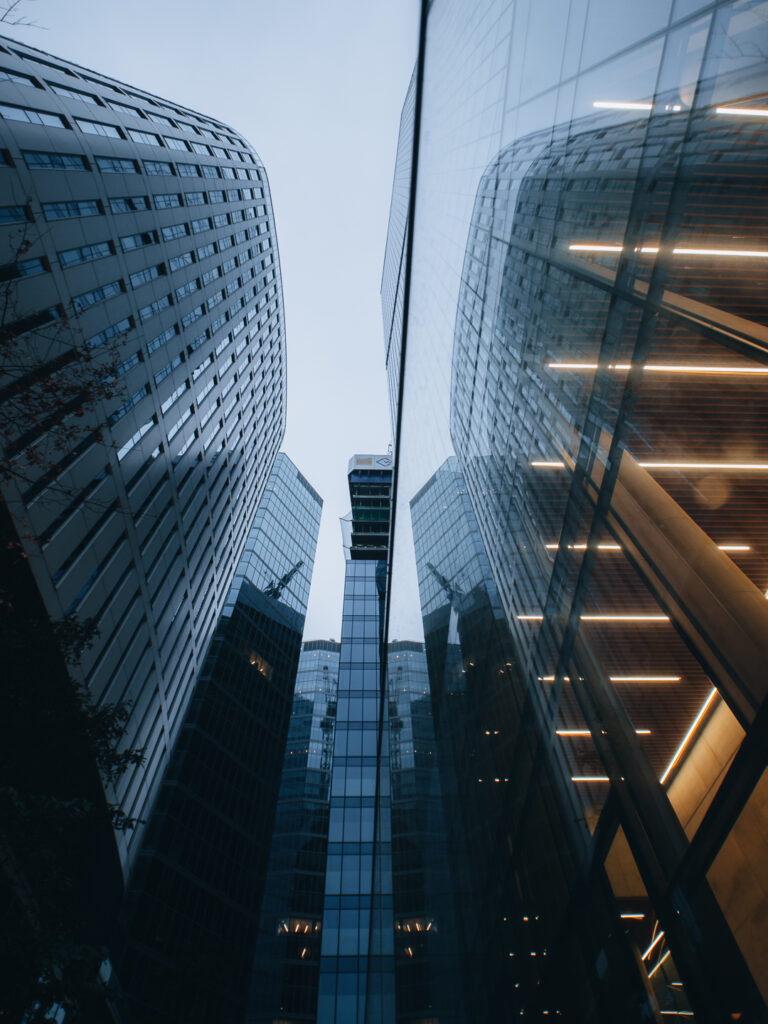
One of the nice advantages of a 12-year-old camera body is that modern, sharp lenses dramatically improve its output. A current Sigma Art prime on the Sony A6000 in 2026 produces images that read as far more contemporary than the body's age would suggest. The sensor captures what the lens delivers, and today's lenses deliver a lot.

Battery Life: Plan Around It
The NP-FW50 battery is rated for approximately 360 shots per charge under CIPA test conditions. In real-world shooting, this translates to a half-day of active street photography before you need to recharge or swap batteries.
That's in theory. In the real world, one battery will last for about 2-3 hours of shooting.
This is the A6000's most practical limitation for extended shooting sessions. The good news is that NP-FW50 batteries are cheap, third-party options sell for $10-15 each, and carrying two or three spares costs less than a single round of specialty coffee in most cities. Budget for extras when budgeting for the camera.
The camera charges via a dedicated charger rather than USB-C, which feels a bit archaic in 2026. You cannot charge the battery in-camera, meaning you need the charger with you if you're shooting across multiple days. It's a workflow consideration, not a dealbreaker, just plan accordingly.
The Menu System: A Known Pain Point
Sony's menu system on the A6000 is very difficult. It was difficult in 2014, multiple reviewers flagged it at launch, and time has not made it more intuitive. Settings are distributed across six main tabs with no clear logic to their organization. Finding specific functions requires either memorization or searching.
The practical solution is to spend an hour customizing the Fn (Function) button menu, which gives you rapid access to the twelve settings you use most frequently. Once configured, you can operate the camera entirely through custom controls without touching the main menu during actual shooting. Set it up properly once, and the menu system stops being a daily frustration.
But still, for the Sony A6000 in 2026, it's not a dealbreaker.

What the Sony A6000 in 2026 Teaches You
There's an argument, and I believe it, that the A6000's limitations are pedagogically valuable for developing photographers.
Without in-body stabilization, you learn to maintain a stable shooting position and understand the relationship between shutter speed and motion blur. Lack of AI autofocus that identifies and tracks subjects automatically, you learn to anticipate movement and pre-focus. Without the wide dynamic range latitude of modern sensors, you learn to expose more carefully and use light intentionally. Without 4K video, you learn to frame correctly in-camera rather than cropping in post.
These aren't compensations for the camera's shortcomings. They're photography fundamentals that modern cameras can allow shooters to skip. The A6000 doesn't let you skip them.

Value in 2026: The Numbers
Used Sony A6000 bodies sell for approximately $150-200 on eBay and similar marketplaces in good condition. Add the kit 16-50mm lens and budget $250-300 for a complete shooting package. Add a quality prime lens, a Sigma 30mm f/1.4 used runs around $200, and the total investment is $400-500 for a two-lens kit that covers most street photography scenarios.
A new entry-level mirrorless camera with comparable image quality, a Sony ZV-E10 II or Fujifilm X-M5, starts at $700-800 body only, before any lenses. The modern cameras offer better video, IBIS, improved autofocus, and updated menu systems. For stills-focused photographers who prioritize value, those advantages may not justify two to three times the cost.
The honest comparison. Images from the A6000 are approximately 80% as capable as those from a $2,000-3,000 modern rig for the overwhelming majority of real-world use cases. On social media, in web galleries, and in most commercial applications, that 20% difference is largely invisible.
Final Words: Should You Buy the Sony A6000 in 2026?
The Sony A6000 isn't good "for its age." It's simply a good camera, one that happens to be twelve years old and available for a fraction of what a new camera costs.
Its 24.3MP sensor still delivers images that hold up at professional standards for web and print. It's 11fps burst rate beats several brand-new entry-level cameras. Its 179-point phase-detection autofocus system locks focus reliably without AI assistance. And its compact size remains one of the most useful things about it for street photography specifically.
The limitations are real: no IBIS, no weather sealing, capped at 1080p video, a dated menu system, and modest battery life. If any of those are dealbreakers for your use case, buy something newer.
But if you're starting in photography and don't want to go into debt, or you're a seasoned shooter looking for a lightweight second body for street work, the Sony A6000 in 2026 makes a compelling case for looking backward instead of forward. The best camera isn't always the newest one. Sometimes it's the one that forces you to become a better photographer.
The A6000 is that camera.


